Exploring Now

Traveling Earth with a 5 Year Old

  • Serendipity in Bali: A Journey of Discovery During Nyepi

    Sometimes, the most magical experiences in life are the ones that happen by chance—those unexpected moments of serendipity that lead us on paths we couldn’t have planned. Such was the case for us when, by a stroke of luck or perhaps fate, Amala and I found ourselves in Bali during the sacred celebration of Nyepi, staying with a warm and welcoming Balinese family just outside of Ubud.
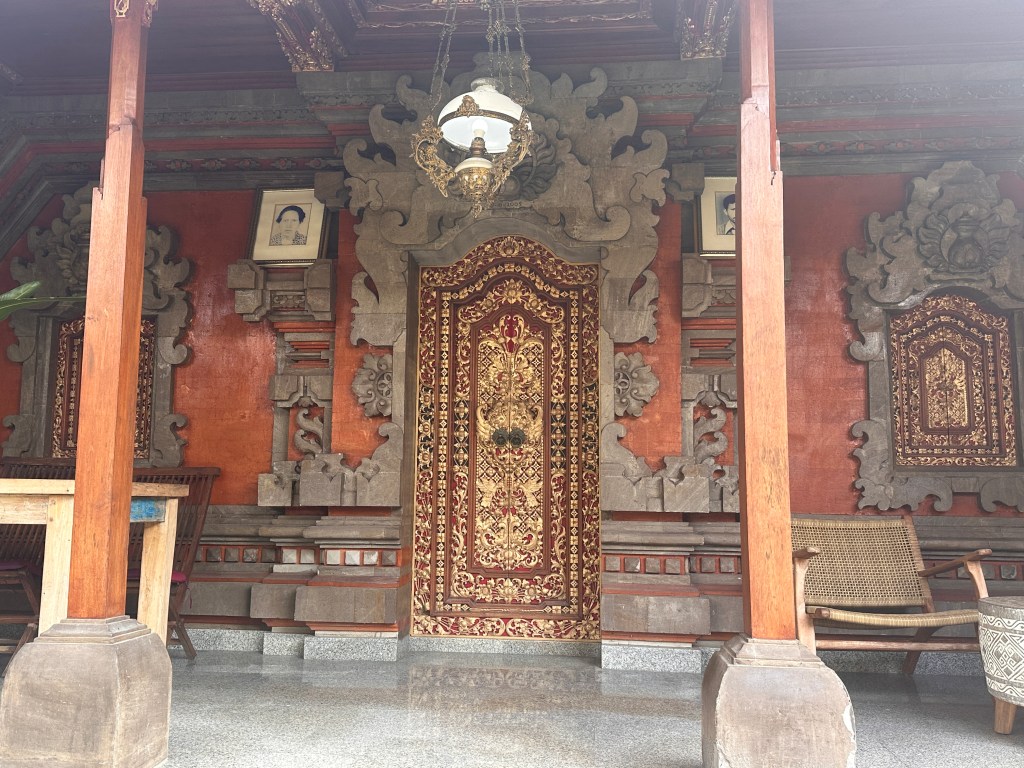
    Our journey to Bali was not planned with Nyepi in mind. It was a spontaneous decision, driven by a desire to explore a new culture and immerse ourselves once again in an unknown place. Little did I know that our arrival would coincide with one of the most important and profound days in the Balinese calendar.

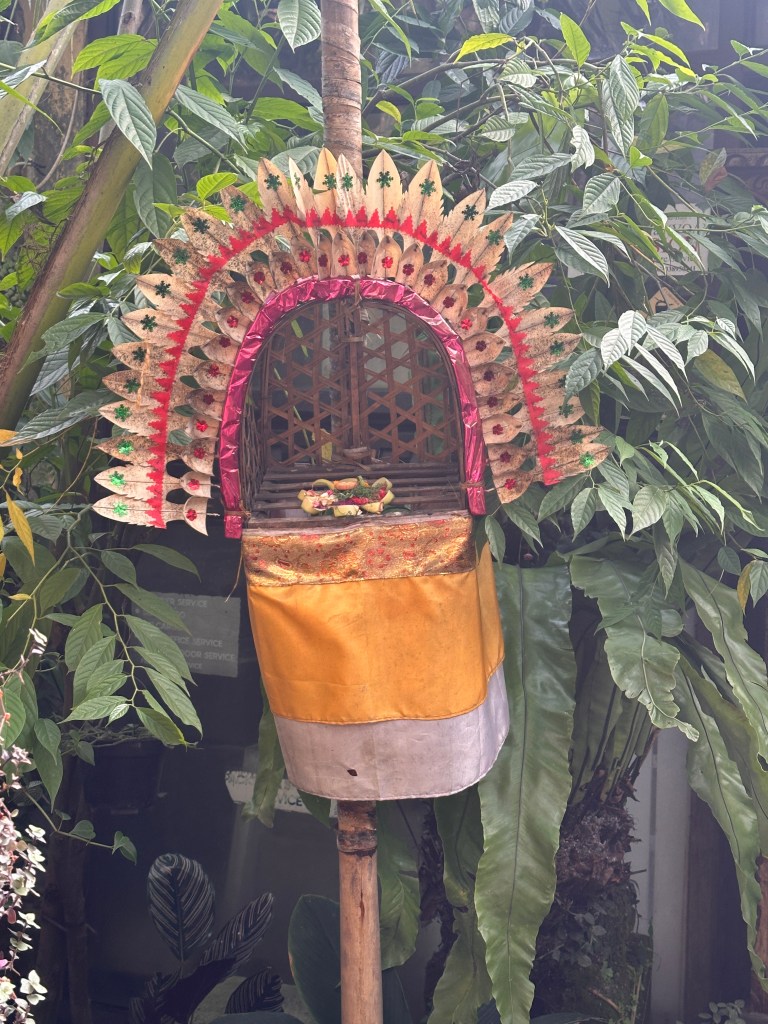
    After we landed in Bali we learned we arrived just in time for Nyepi. I could sense a palpable shift in the atmosphere—a sense of anticipation and reverence that seemed to permeate the air. Everywhere I looked, preparations were underway for the upcoming festivities. The streets were adorned with intricate penjor (decorative bamboo poles), colorful offerings graced every doorstep, and the sound of gamelan music filled the air.
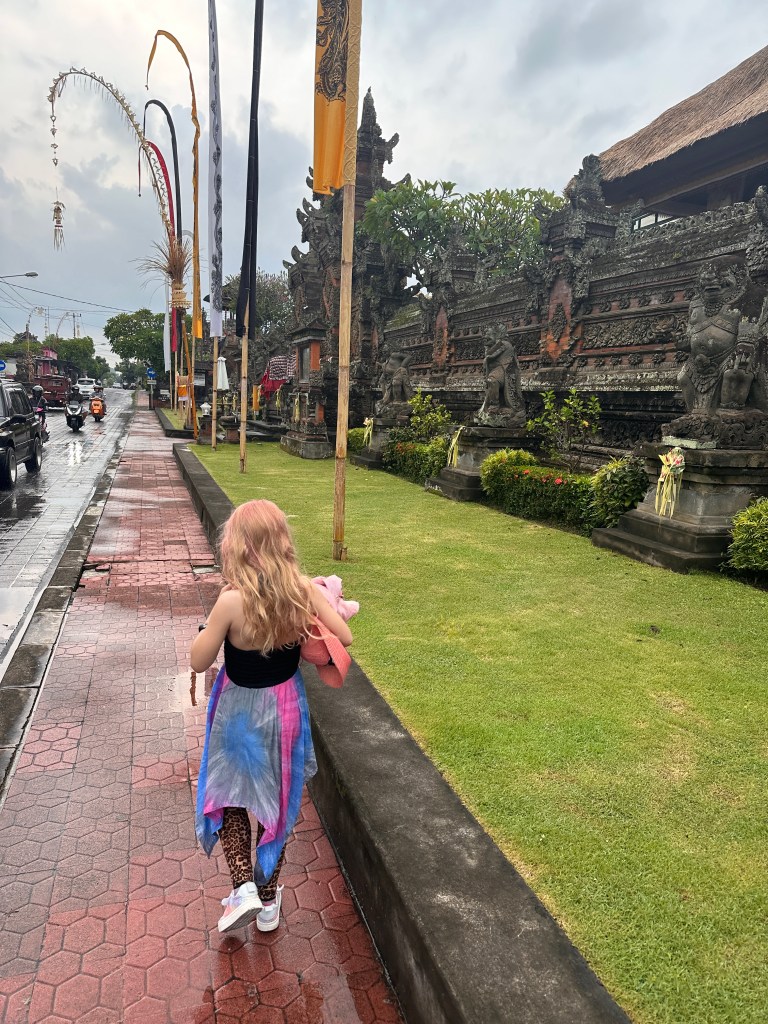
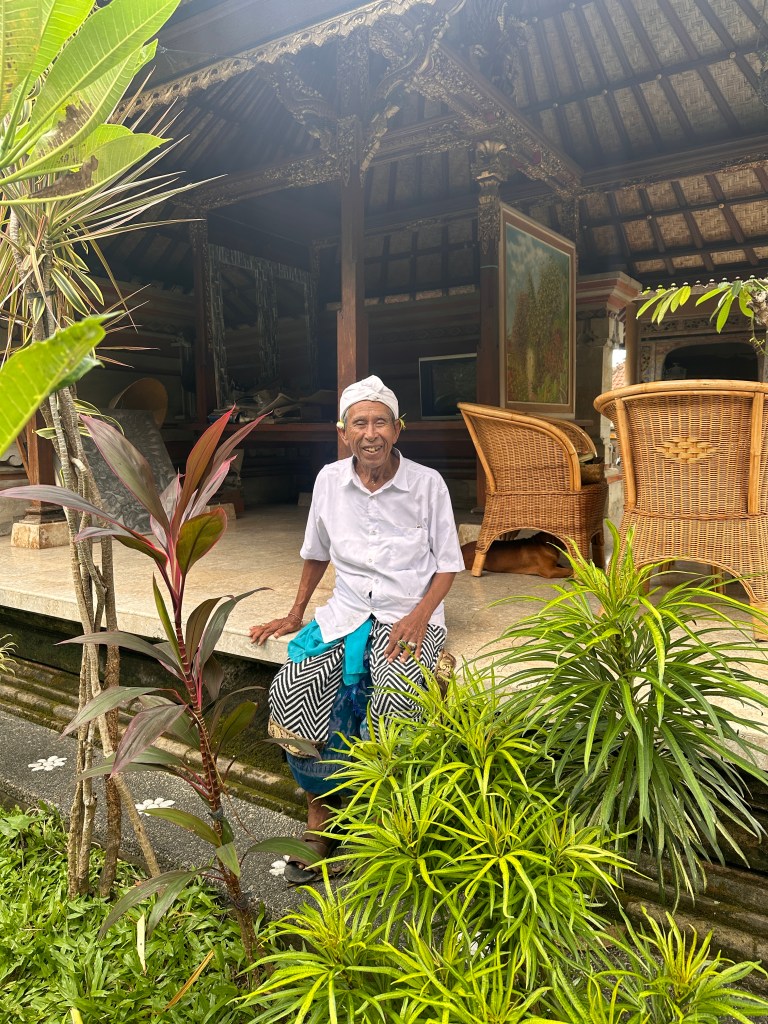
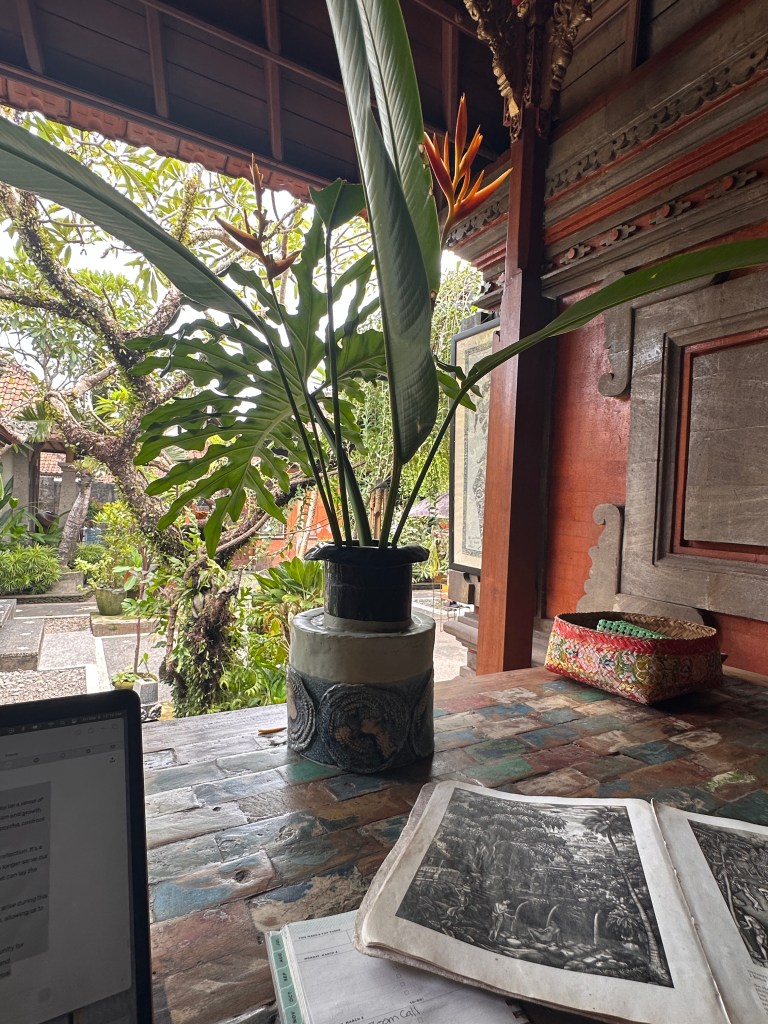
    It was during this time that we had the good fortune to stay with a wonderful Balinese family who graciously housed and fed us during Nyepi. From the moment we arrived, we were welcomed with open arms and treated as an honored guest in their home as we stayed in the honeymoon suite. Their kindness and hospitality knew no bounds, and I felt truly blessed to be embraced by their warmth and generosity. Amala loved their 8 year old daughter and the grandfather told me about the history of their family of artisans, how their home was laid out in a particular manner. He lent me a book to read with family history and art.
    In the heart of Bali’s rich cultural tapestry lies a captivating tradition that captures the imagination and spirit of the island—the Ogoh-Ogoh Parade. This colorful and vibrant spectacle, held annually on the eve of Nyepi, the Balinese Day of Silence, is a celebration of art, creativity, and spiritual purification that brings communities together in a joyous display of cultural heritage.

    The Ogoh-Ogoh Parade is a highlight of the Nyepi festivities, serving as a symbolic ritual to drive away evil spirits and negative energies from the island. The term “ogoh-ogoh” refers to elaborate papier-mâché effigies, often depicting mythical creatures, demons, and other malevolent beings, which are paraded through the streets in a riot of color and sound.
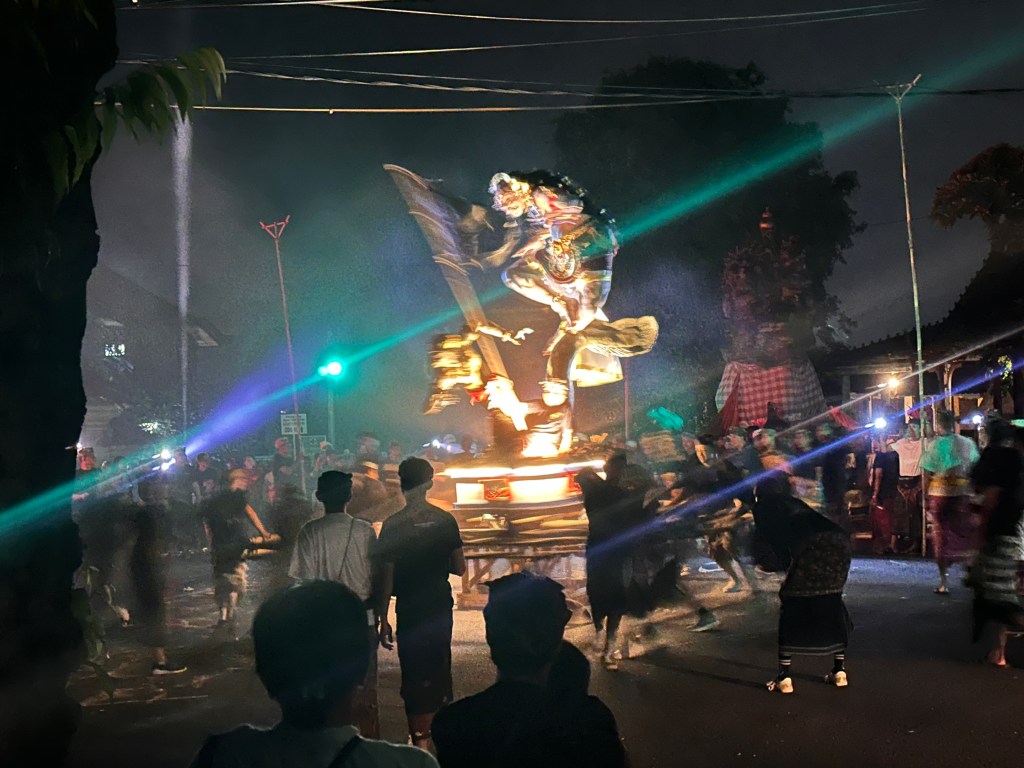
    Ogoh Ogoh Parade

    Preparations for the Ogoh-Ogoh Parade begin weeks in advance, with communities coming together to design and create their towering creations. Skilled artisans and craftsmen meticulously craft the intricate details of each ogoh-ogoh, infusing them with personality and character that reflect the unique spirit of their village or neighborhood.

    As the sun sets on the eve of Nyepi, the streets of Bali come alive with the sound of gamelan music, chanting, and the rhythmic beat of drums. Locals adorned in traditional attire gather to witness the spectacle, eagerly anticipating the procession of ogoh-ogoh as they make their way through the streets.

    The ogoh-ogoh themselves are a sight to behold—towering structures adorned with vibrant colors, intricate designs, and fearsome visages that capture the imagination and awe of onlookers. Each one represents a symbolic manifestation of evil and negativity, and the parade serves as a ritualistic exorcism to cleanse the island of these malevolent forces.

    Accompanied by a cacophony of noise and energy, the ogoh-ogoh are paraded through the streets, carried aloft by teams of enthusiastic revelers. Dancing, chanting, and drumming, they weave their way through the community, drawing spectators into the rhythm and spirit of the celebration.

    As the procession reaches its crescendo, the ogoh-ogoh are brought to a central location, where they are set ablaze in a spectacular display of fire and light. The flames consume the towering structures, symbolizing the triumph of good over evil and the purification of the island’s spirit in preparation for Nyepi.

    The Ogoh-Ogoh Parade is more than just a cultural event—it is a testament to the resilience, creativity, and communal spirit of the Balinese people. It is a time to come together, to celebrate tradition, and to reaffirm the values of unity, harmony, and spiritual renewal that lie at the heart of Balinese culture.

    For those fortunate enough to witness the spectacle of the Ogoh-Ogoh Parade, it is an experience that leaves an indelible impression—an immersion into the rich tapestry of Balinese culture and a celebration of the boundless creativity and spirit that define this enchanting island.
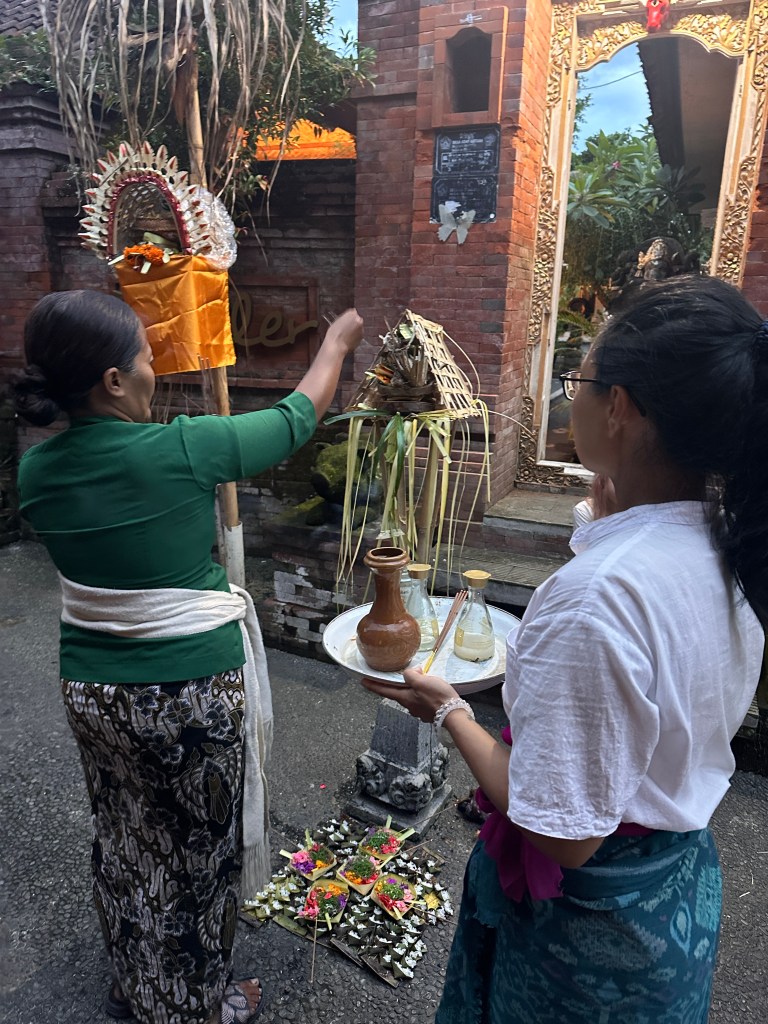
    As Nyepi drew near, we found myself swept up in the excitement and reverence of the occasion, there was praying at the community temple down the street and family coming to pray at the family temple. Together with my newfound family, I participated in the rituals and ceremonies that preceded Nyepi, from the vibrant processions of Pengrupukan to the solemn prayers and offerings that marked the arrival of the sacred day.

    When Nyepi finally arrived, the island fell into a profound silence—a stillness that seemed to envelop everything in its embrace. With no lights, no sounds, and no activity, it was as if time itself had come to a standstill. Even the airport was shut down and police were patrolling the streets to make sure no one was leaving their designated places for the day, unless there was an emergency. In the quietude of the day and night, I found myself reflecting on the beauty and significance of this sacred day, and the deep wisdom it held for those willing to listen.
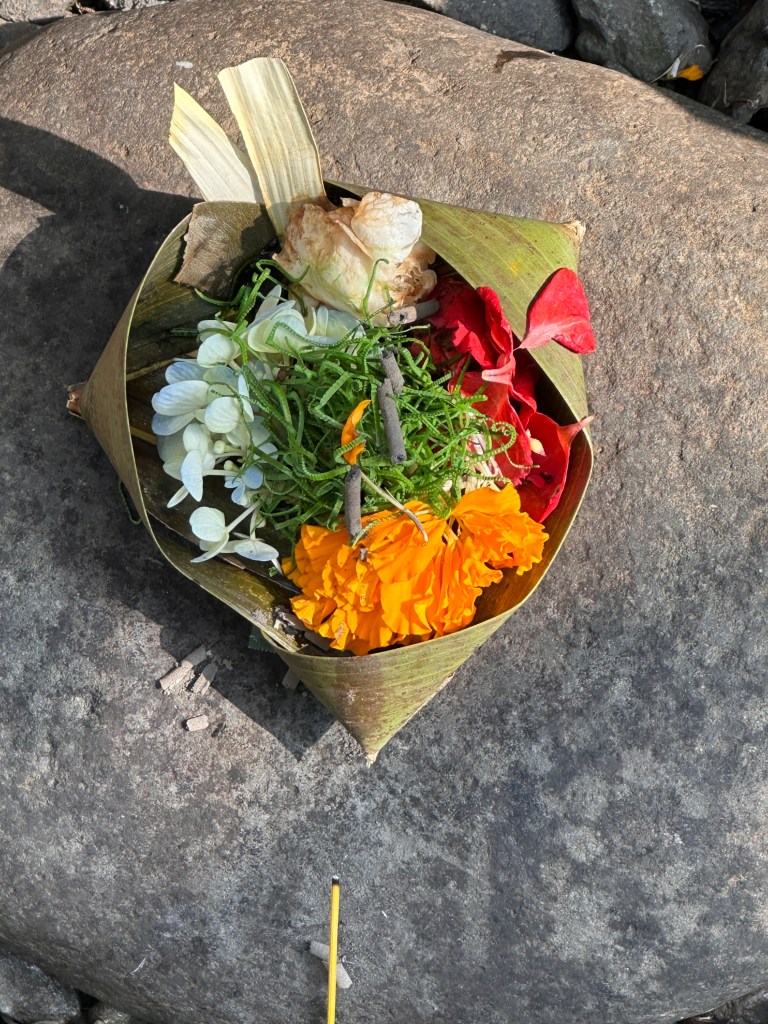
    Throughout Nyepi, my Balinese family and I remained together, sharing stories, laughter, food and moments of quiet contemplation. As we sat beneath the starlit sky, surrounded by the gentle sounds of nature inside the family compound, I felt a profound sense of gratitude for the serendipitous journey that had brought me to this place and this moment.
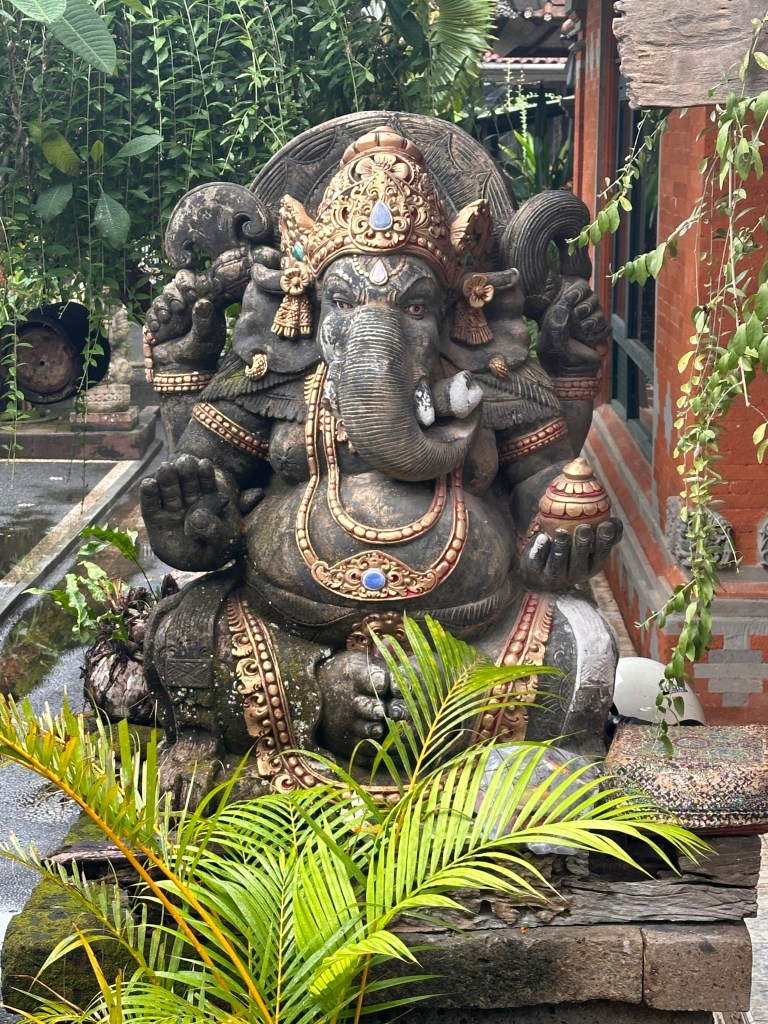
    In the days that followed Nyepi, robustly returned to its usual rhythm, I found myself pleasantly changed by the experience, an inner quiet took over. Our time in Bali has been beautiful—it has been a journey of the heart, a journey of connection, and a journey of discovery. And as we bid farewell to our Balinese family Amala cried for a minute and as we go onto explore more of the island that has captured our hearts, I knew that Nyepi would always hold a special place in my soul—a reminder of the magic that awaits when we surrender to the beauty of the unknown.

    Will write more soon!

    Love,

    Michelle & Amala
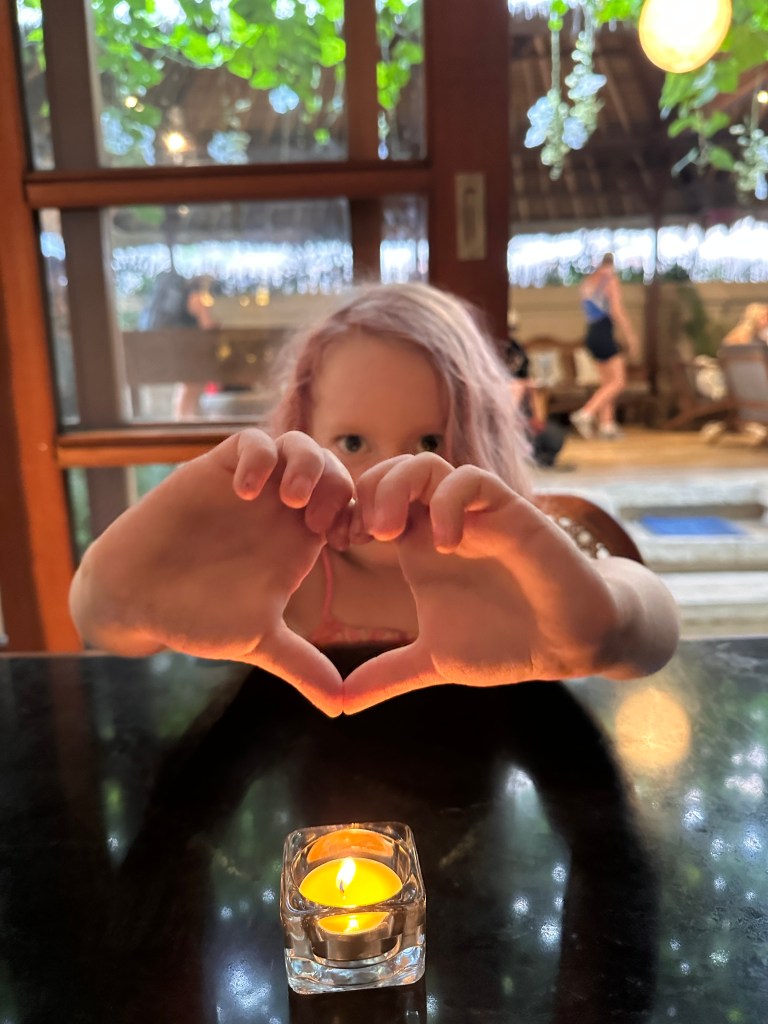
  • Transformative Power of Gratitude

    As I sit in India, surrounded by the harsh realities of the world today, I cannot help but feel a sense of guilt for the privileged life I lead. It seems unfair that some are born into suffering while others are born with every advantage. This feeling of helplessness can be overwhelming, but I have found hope in an unexpected place: gratitude. The practice of gratitude has transformed my perspective, helping me to appreciate the abundance in my life and find healing in the midst of pain.

    Ayurveda, one of my passions, teaches that everything can be medicine. This means that every substance and experience has a qualitative nature, and that opposite qualities can balance one another out. Gratitude, with its positive and uplifting nature, is one such experience that can be curative. By the simple act of being grateful, we can shift our mindset and create positive change in our lives.

    Practicing gratitude is not always easy, though. In a world that often seems cruel and unjust, it can be hard to find things to be thankful for. I have found that the key is to start small. Instead of trying to force myself to be thankful for everything in my life, I focus on one thing each day. It might be something as simple as a beautiful sunrise or the taste of my favorite food. But by consciously acknowledging and feeling gratitude for these things, I am able to shift my focus away from what I lack and towards what I have.

    Another important aspect of practicing gratitude is to cultivate a sense of mindfulness. This means being present in the moment, fully aware of each experience as it unfolds. By staying grounded in the present, we can appreciate even the small things in life that might otherwise go unnoticed. Mindfulness also helps us to appreciate the people in our lives. By being fully present with those we love, we can deepen our relationships and create a sense of connection that goes beyond words.

    Gratitude is not just about being thankful for the good things in life, however. It is also about finding meaning in the difficult times. When we face challenges, it can be tempting to give in to despair and hopelessness. But if we can find even a glimmer of gratitude in the midst of struggle, we can create a sense of resilience and strength that will carry us through. Whether it’s gratitude for the lessons we learn, the love and support of others, or the opportunity to grow and change, finding gratitude in difficult times can help us to see the world in a new light.

    In a world that can often feel dark and overwhelming, gratitude is like a light that can guide us through. It has the power to transform our perspectives, heal our pain, and create positive change in our lives. Whether we are practicing gratitude for the little things in life or finding meaning in difficult times, the act of being grateful is one of the most powerful and transformative forces available to us. So today, I am grateful for the opportunity to share this message with all of you, and I hope that it brings a sense of hope and joy to your day.

    One last note, I do have a transformative book on Gratitude and a Gratitude Journal available for download….. I would be grateful if you downloaded it!

    Love, Michelle and Amala

  • Traveling with a Six Year Old – Lessons We Learned Along the Way

    Amala and I have had quite the adventures this year, moved out our home at the end of May and slowly made our way to India and now we have been here since August. Traveling with a six year old can be an adventure in and of itself. But, as a solo mom, we learned valuable lessons about exploring and living in the moment. We discovered that planning is not necessary, being present and being together is everything. Along the way, we were grateful for the adventures, the fun, and even the difficulties. We appreciated the support we received from family and friends, and we were thankful that we were able to live our lives differently from the norm.

    Lesson 1: Embrace the Now

    When you’re traveling with a six year old, unpredictability is part of the game. Amala has taught me that, in order to enjoy the journey, I had to embrace the present moment. She would run around meeting new people, stopping to pick the flowers and chase after insects, without a care in the world. I have had to learn to follow her lead and appreciate the beauty in every passing moment.

    Lesson 2: Freedom in Minimal Planning

    We initially had a grand plan, but once we got here, we quickly realized that it was not necessary. I could make travel plans fairly quickly. Part of our joy came from having the freedom to choose what we wanted to do on any given day. We enjoyed exploring the local markets, going to Ayurvedic facilities, going on nature walks, going to temples, and trying the recommended local foods. This experience showed us that sometimes it’s best to take a step back and let go of the need to plan every little detail.

    Lesson 3: Overcoming Difficulties

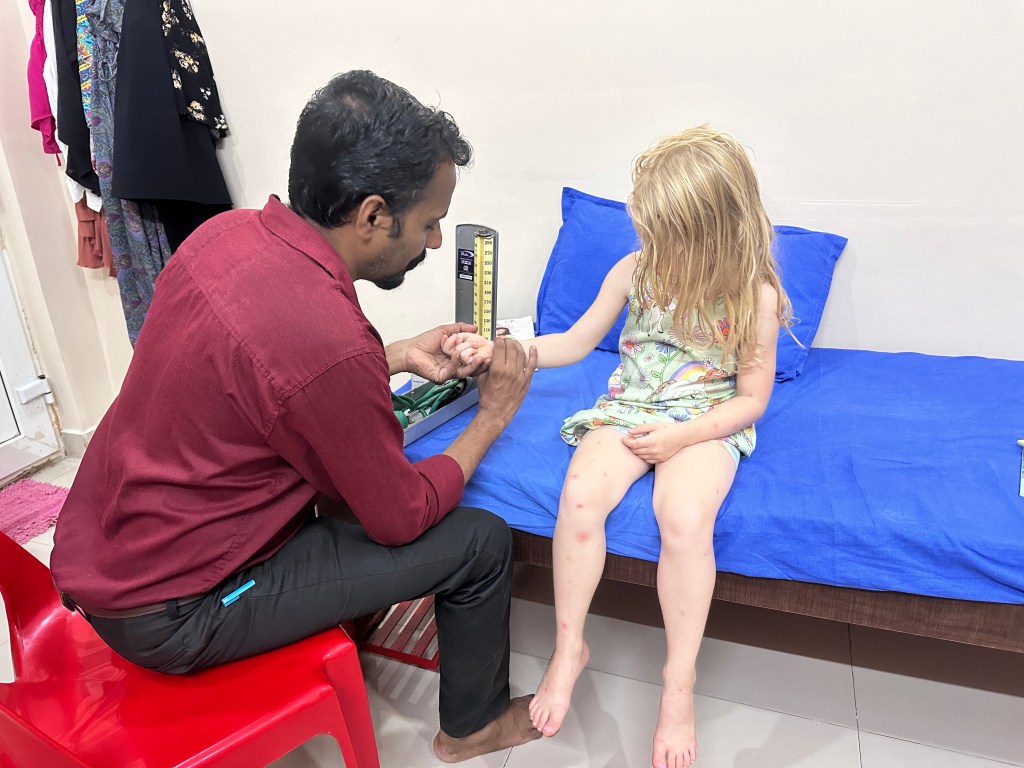
    Traveling with a young child is not always rainbows and sunshine. There will be good and bad moments, and it’s important to face the difficulties with a positive attitude. When became sick, we had to deal with a few sleepless nights and fevers, we only had to go to a doctor once. However, we chose to focus on the love and support we received from the locals. They helped us navigate the unfamiliar territory healthcare system and even sent us food to make us feel more comfortable.

    Lesson 4: The Value of Family and Friends

    Traveling with a six year old can be challenging, but having family and friends supporting you can make the experience more enjoyable. Our loved ones provided support and reassurance. They also helped us create cherished memories that will last a lifetime. The best moments were those we spent together, laughing and enjoying each other’s company.

    Lesson 5: Gratitude for Adventure

    Traveling with a six year old opened my eyes to the beauty of adventure and the value of creating lasting memories. I discovered that being able to travel and experience new cultures is a privilege that we are truly grateful for. 

    We will cherish these memories for years to come and will always be grateful for the opportunity to explore and live life in a different way.

    Traveling with a six year old taught me more about life than I ever imagined possible. We learned to live in the moment, embrace freedom in minimal planning, minimal luggage, overcome difficulties, value family and friends, and be grateful for the adventures. Our journey was filled with seeing life as it is and taking one moment at a time, but we wouldn’t have it any other way. We are grateful for the opportunity to travel and learn about the world side-by-side together. I am grateful I can write for Medium, my own website and Exploring Now. Because these kinds of experiences we will never forget. So much gratitude!

    Many Blessings,

    Michelle & Amala

    Click the link to purchase the Gratitude Handbook and Journal!

  • Sri Prakash International School and Ayurvedic Hospital

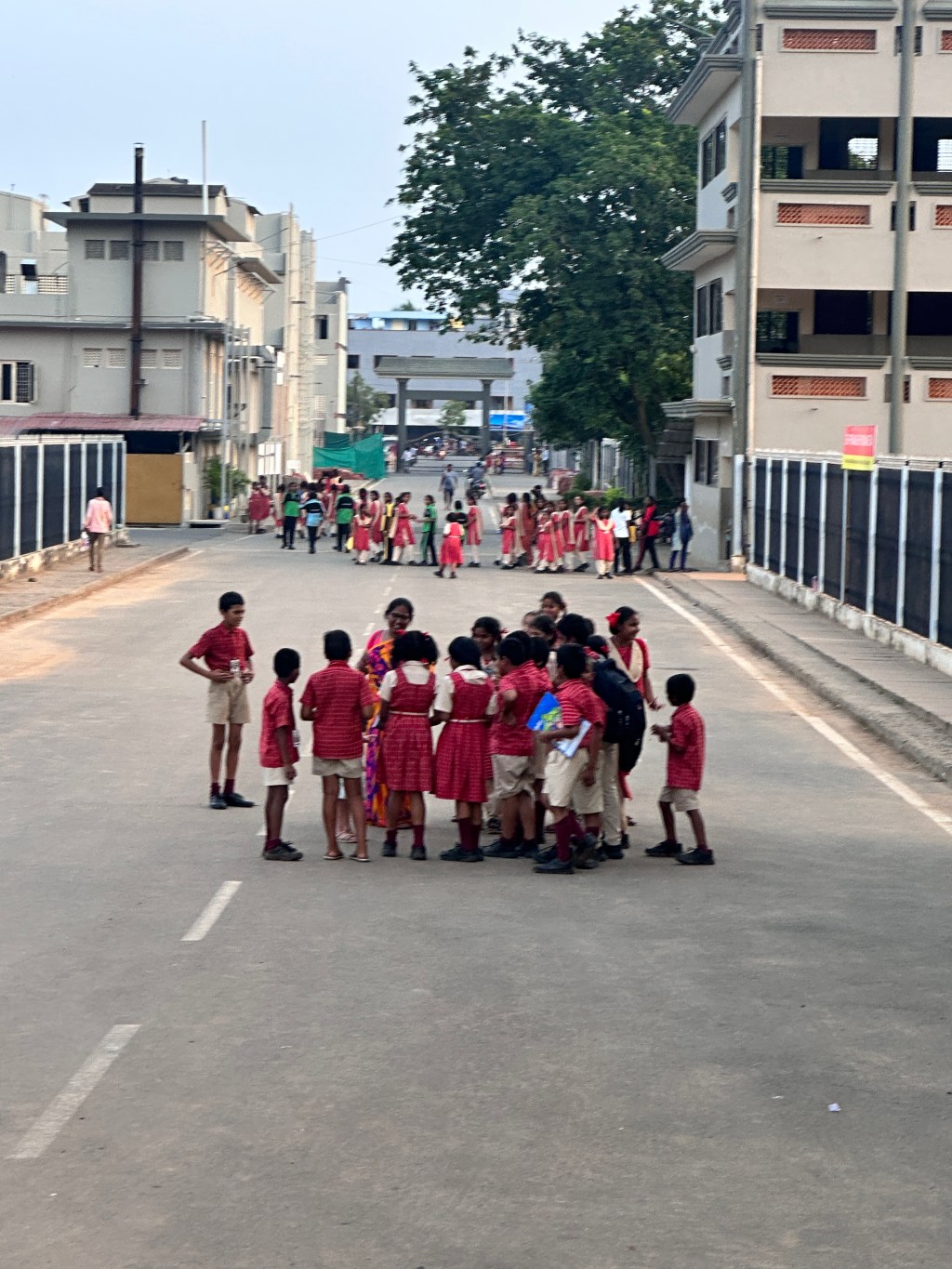
    When we arrived in India, we had the opportunity to stay at Sri Prakash International School and Ayurvedic Hospital. This unique experience allowed us to immerse ourselves in Ayurveda and learn directly from an expert Ayurvedic Doctor, all at an affordable price. It was enriching for us to be so close to children who were fun and curious.

    The first thing that struck me about Sri Prakash International School and Ayurvedic Hospital was its sheer size. The campus spreads across 32 acres, giving both students and patients ample space to move around, explore and relax. The school settings provide a serene and calming atmosphere that allows students to focus on their studies without any distractions.

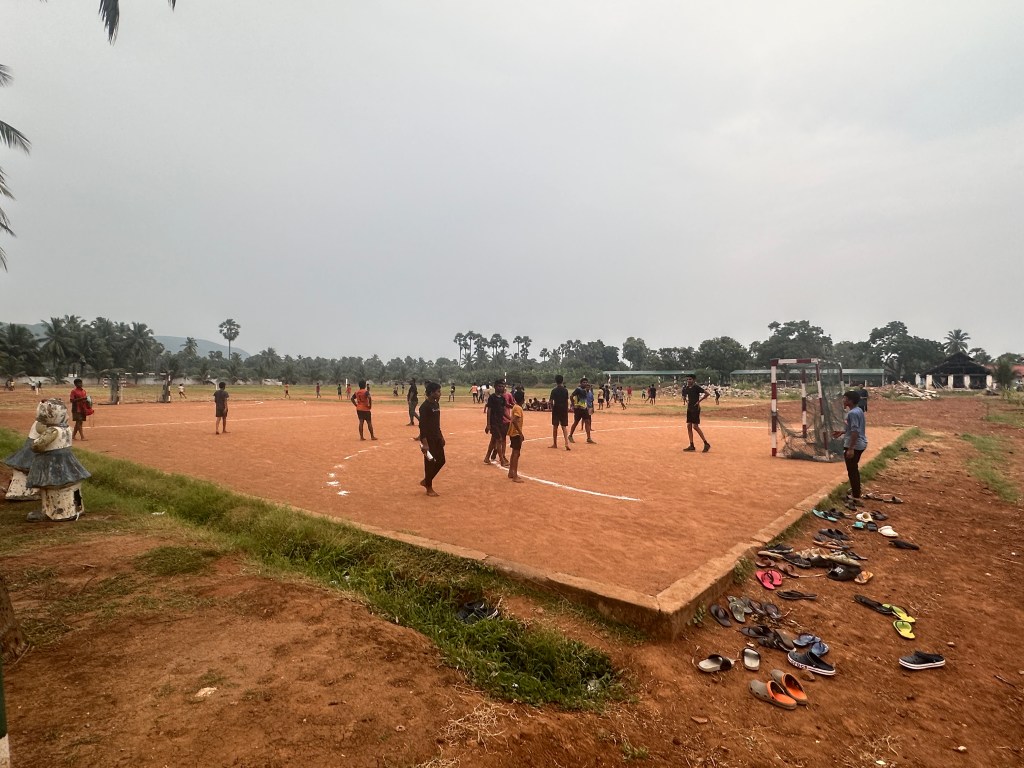
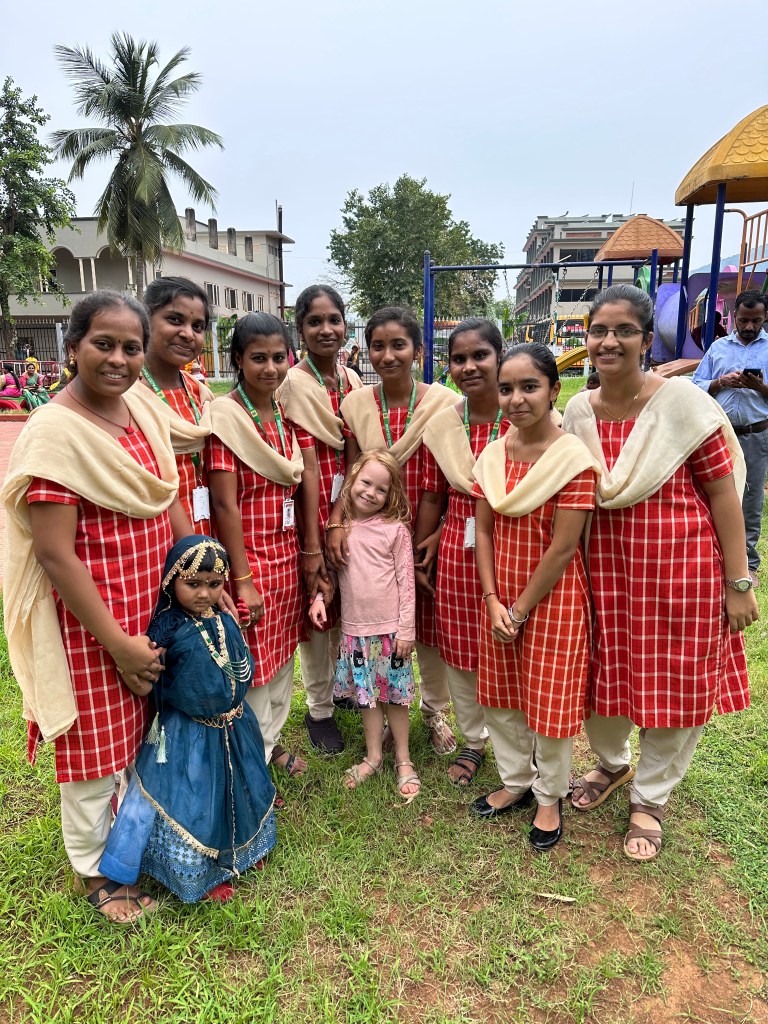
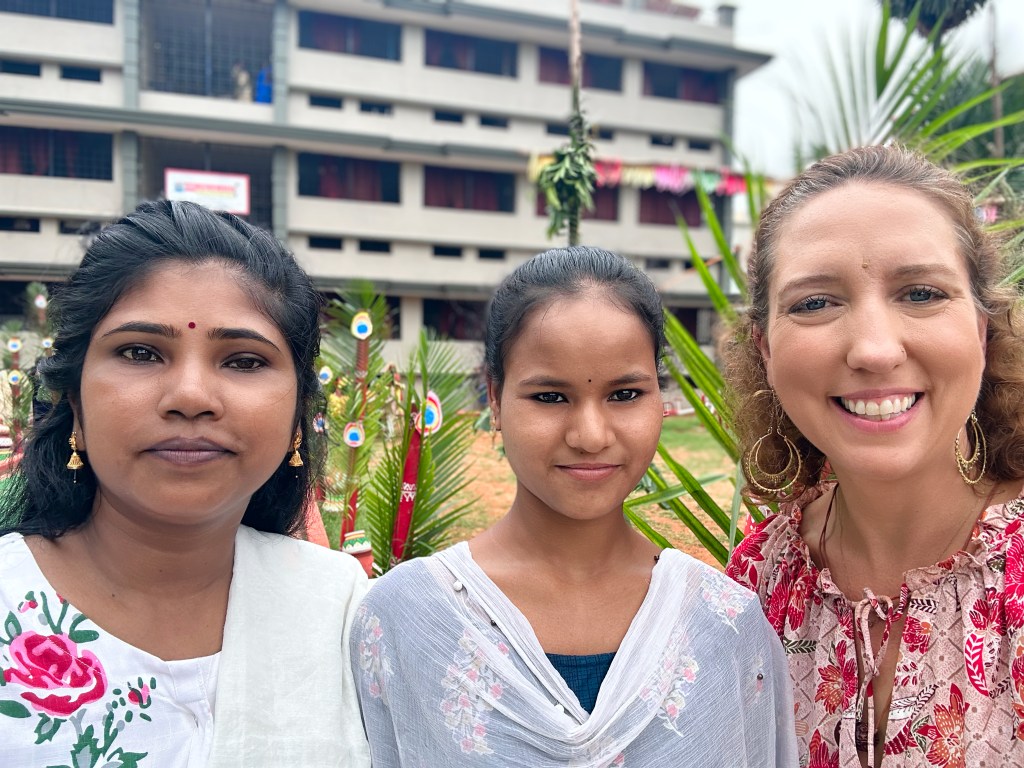
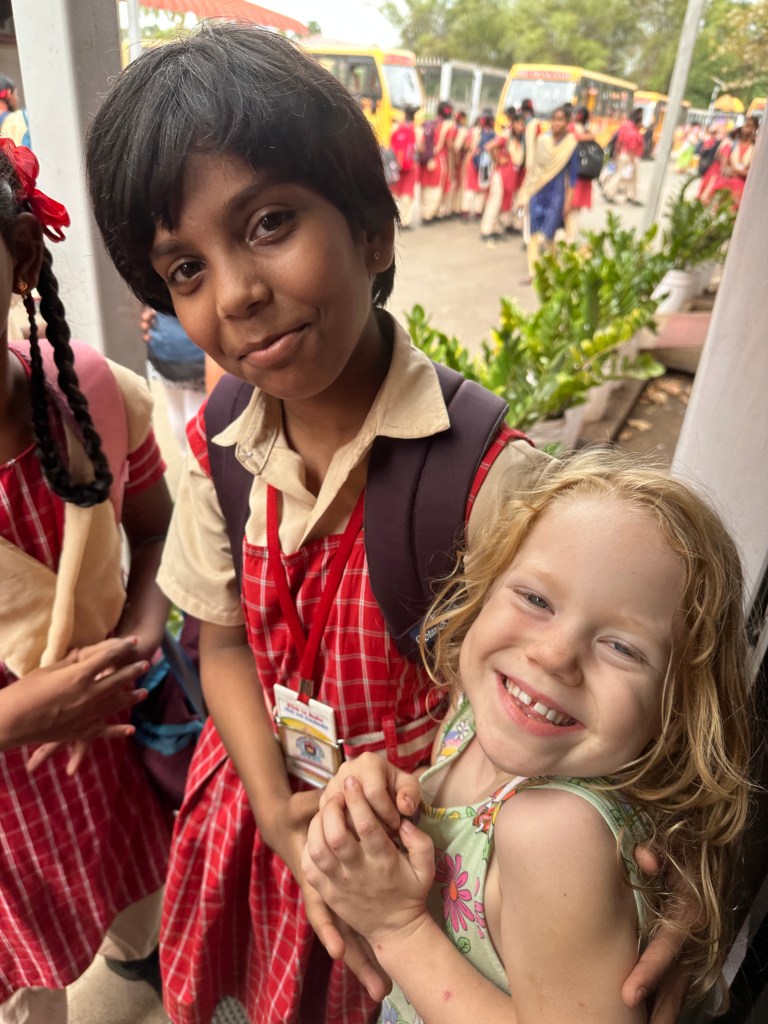
    The school administration has given equal importance to sports and extracurricular activities along with academics. A vast playground and related infrastructure for a plethora of sports like cricket, athletics, basketball, football, volleyball, and so on are offered to students. The school also runs its own music academy that provides training in classical Indian music and instruments such as the sitar and tabla. The girl students that would come to our room all wanted to play with Amala and wanted me to teach them yoga. The school has so many activities from so there is always activities for the students specific interests.

    Moving onto the Ayurvedic Hospital, I was amazed at the level of care and attention paid to its patients. Ayurveda is a traditional Indian medicine that uses a natural and holistic approach to healing. The hospital offers a range of treatments including massage therapies, detoxification, and rejuvenation therapies. Patients can also attend yoga and meditation classes to help them relax and rejuvenate their body and mind. The hospital integrated the educational philosophy with Ayurveda, which promotes health and well-being in a sustainable manner.

    The hospital incorporated Ayurveda into the school’s curriculum, providing hands-on experience to students. Students study the basic principles of Ayurveda and undertake practical training in the hospital. It allows them to appreciate the concept of preventative healthcare, and encourages them to take responsibility for their health. I have the privilege of watching the Ayurvedic Doctor and Therapists provide care for the injured students. It was amazing to see Ayurveda used in such a way that is so different from the way I practice Ayurveda in the USA.

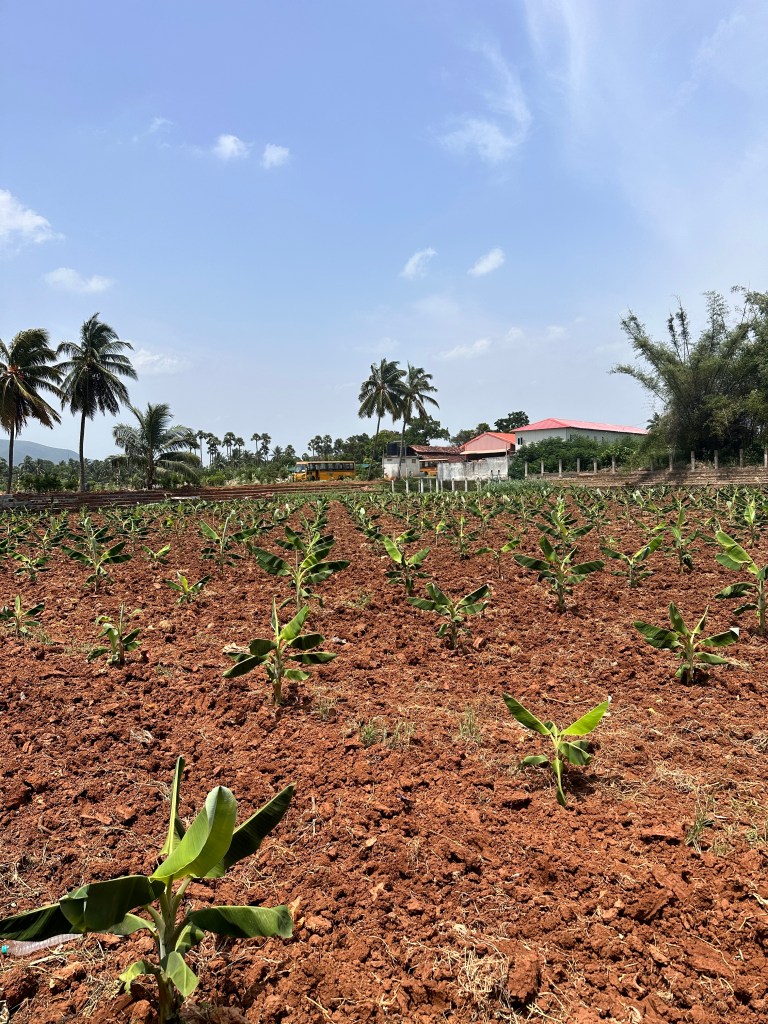
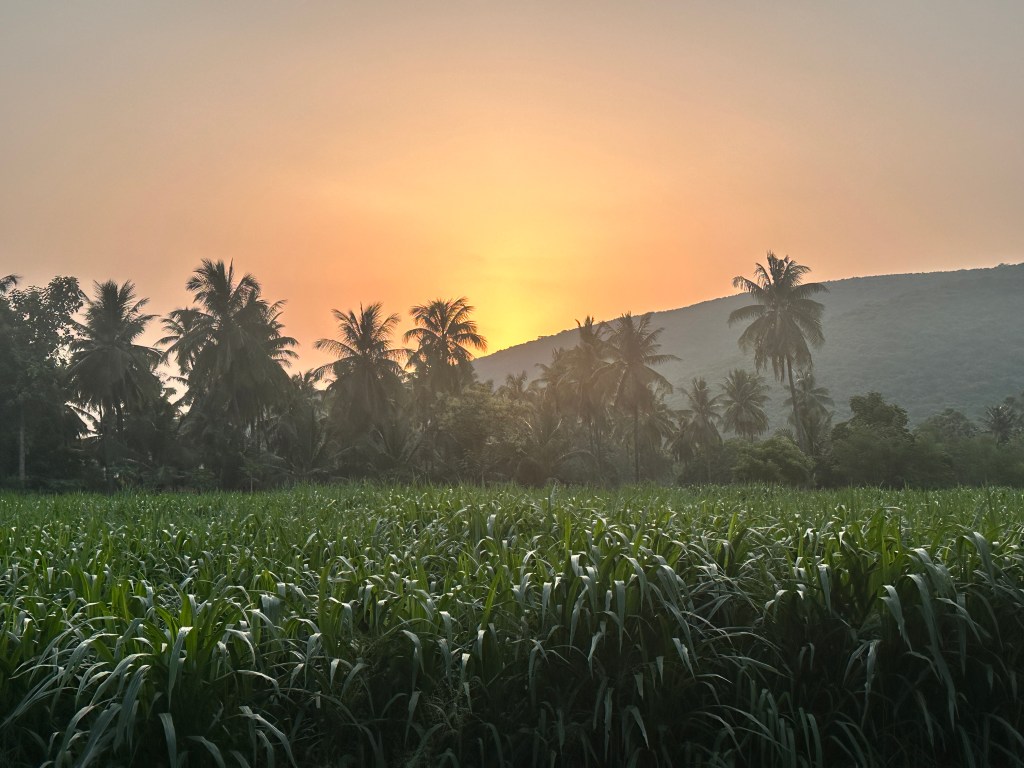
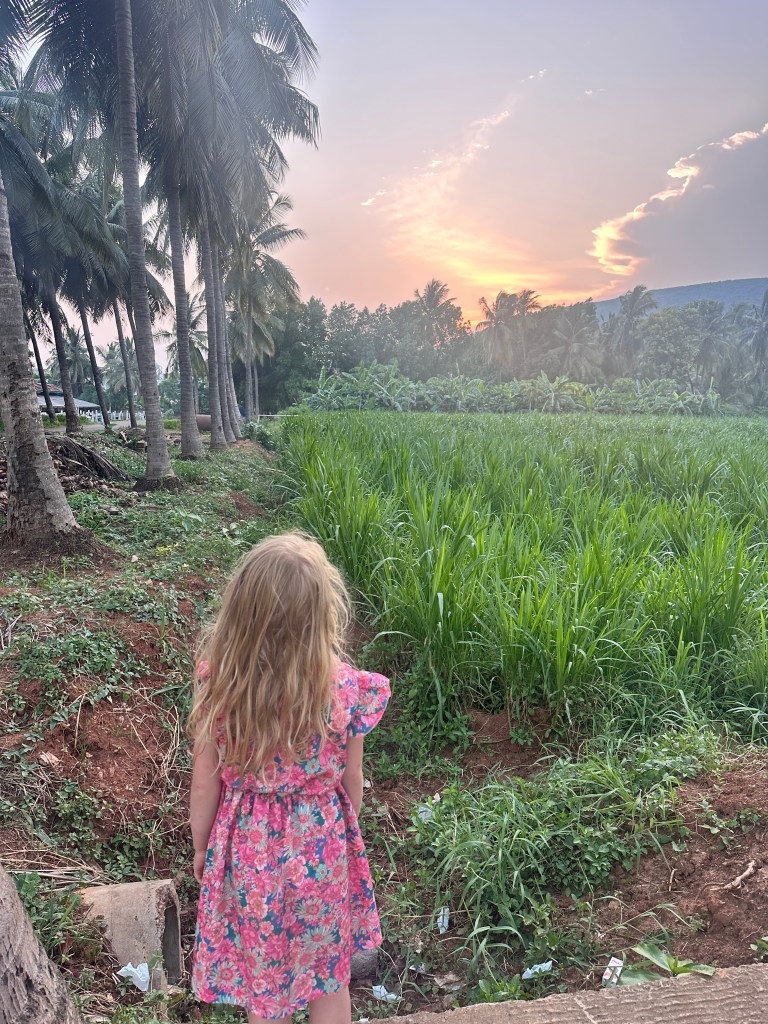
    It’s worth noting that the school and hospital work hand in hand to provide the best possible environment for their students and patients. The school’s catering department provides healthy food, sourced freshly from organic farms, a well as their own cultivation, thus providing patients with wholesome meals rich in nutrients. Here is a picture of a banana field below…… and also the cows and buffalo for milk. I do have to say, it was spicy! Overall, patients and students alike will benefit from an environment that emphasizes health and wellbeing as an integral part of their life.

    With love and travels,

    Michelle & Amala

    Here is a link to our Exploring Now You Tube Channel

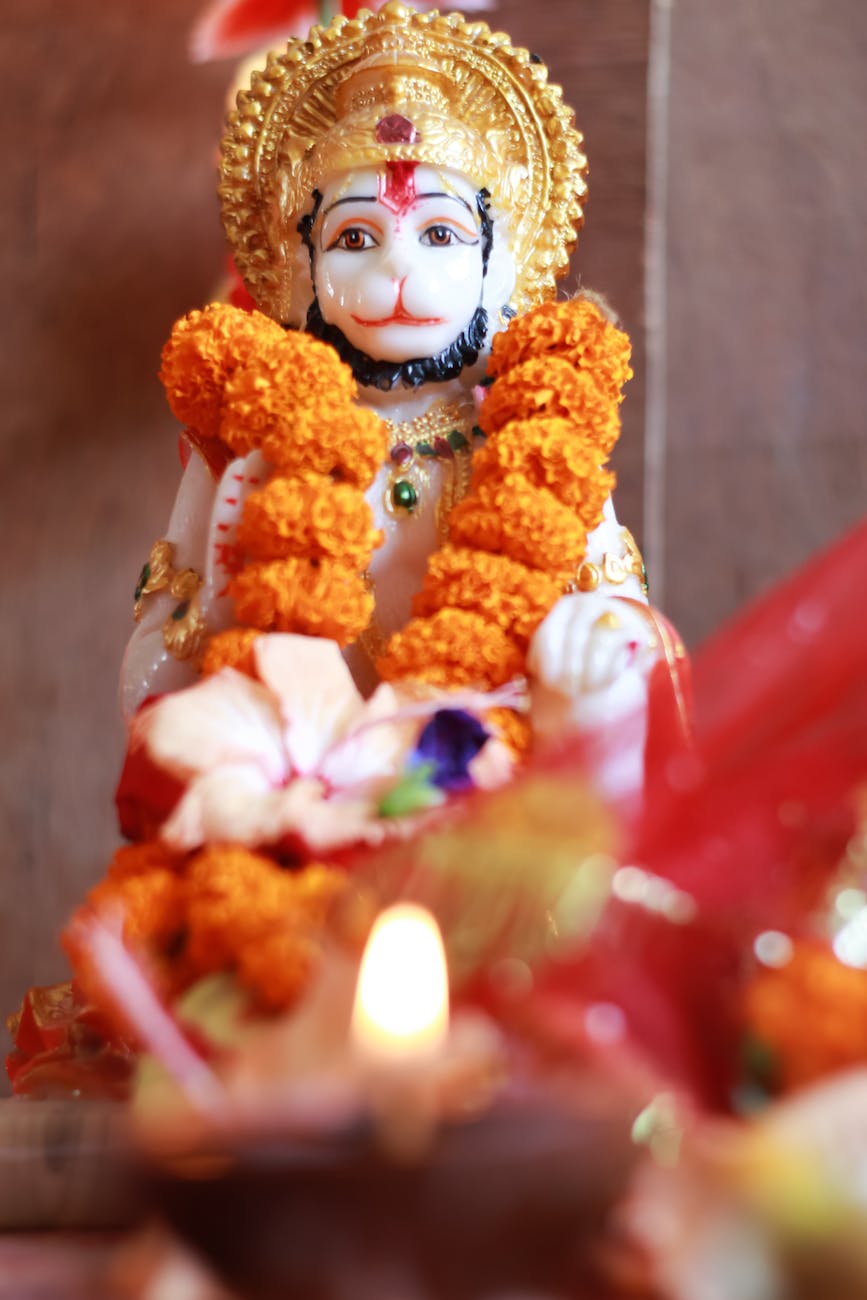
  • The Hanuman Temple in Payakaraopeta, Andhra Pradesh – A Special Tribute to My Mother

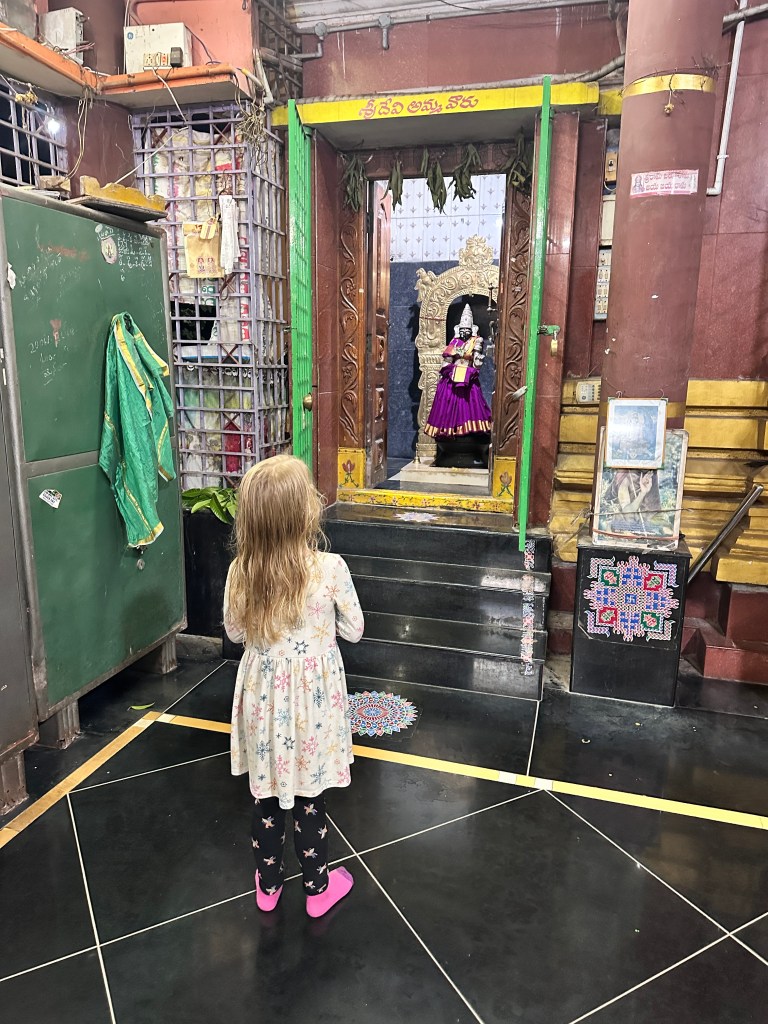
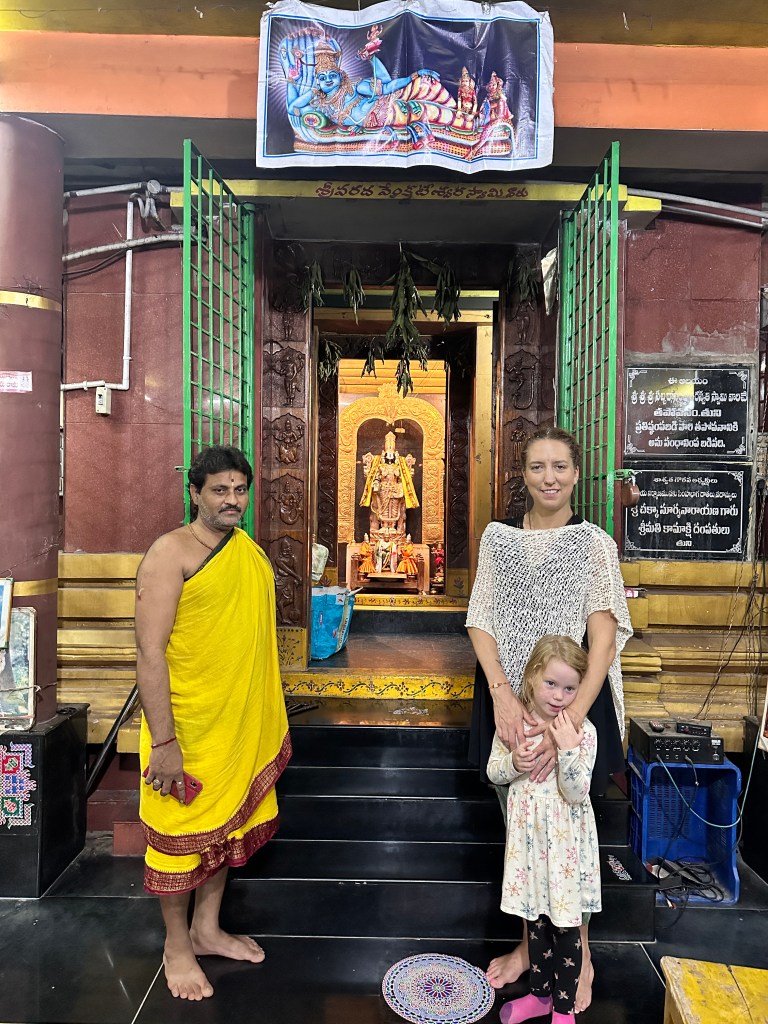
    The world is undoubtedly a beautiful place full of unique and fascinating places waiting to be explored. Among the many destinations that travelers seek, religious sites are also popular due to the spiritual and cultural significance they hold. One such spot is the Hanuman Temple in Payakaraopeta, Andhra Pradesh. The temple holds a special place in my heart, as I visited it to pray for my mother, who was no longer with us. We visited this temple on my mothers Birthday to pay tribute to her, we have visited many temples in the area but this Hanuman Temple was special because I felt protection and unconditional love, which is ideal for those who seek a spiritual experience.

    Lord Hanuman is revered in Hinduism as a protector and is known for his strength, intelligence, commitment, courage, and soul purity. Worshiping him is believed to bring various qualities to devotees’ lives. Scriptures suggest that Hanuman gained strength and purity from his father, Vayu, commitment from his Guru, Surya, and intelligence from his mother, Anjani. This spirituality has traveled from generation to generation, and it continues to impact lives today.

    Located in Payakaraopeta, Andhra Pradesh, the Hanuman Temple is one of the most visited and revered religious sites in India. The temple’s construction is beautiful, with intricate carvings and sculptures depicting various divinity symbols. Devotees offer coconuts, flowers, and sweets to Lord Hanuman as a form of prayer and gratitude. The temple’s serene environment adds to the spiritual experience.

    Indian culture encourages devotion and respect for elders, which makes the Hanuman Temple perfect for those looking to offer prayers for their loved ones. It is common to perform specific rituals, such as ‘Pradakshina,’ which involves walking around the temple thrice before praying to Lord Hanuman for inner strength and clarity of thoughts. The Hanuman Temple is a perfect destination for those seeking to reconnect with their spiritual side and pay homage to their loved ones.

    People from different cultures and religions visit the Hanuman Temple to seek blessings and guidance. The temple’s history dates back several hundred years and has managed to preserve the essence of Indian spirituality. There are also many Hanuman temples across India, and each has its unique significance and history. However, the Hanuman Temple at Payakaraopeta, Andhra Pradesh, stands out because of its location, architecture, and the spiritual experience it offers.

    The Hanuman Temple is a tribute to the epitome of strength and purity, Lord Hanuman. For me, visiting the temple was a special way to honor my mother on her birthday and pay my respects. The temple’s tranquil environment, remarkable architecture, and the religious significance it holds make it an ideal destination for spiritual seekers. India’s culture is diverse, rich, and has a profound impact on the lives of its citizens. The Hanuman Temple, Payakaraopeta, Andhra Pradesh, is a testament to this cultural diversity and the central role played by spirituality in people’s lives. I urge everyone to have spiritual rituals and experiences to enhance their lives.

    Happy Travels,

    Michelle & Amala

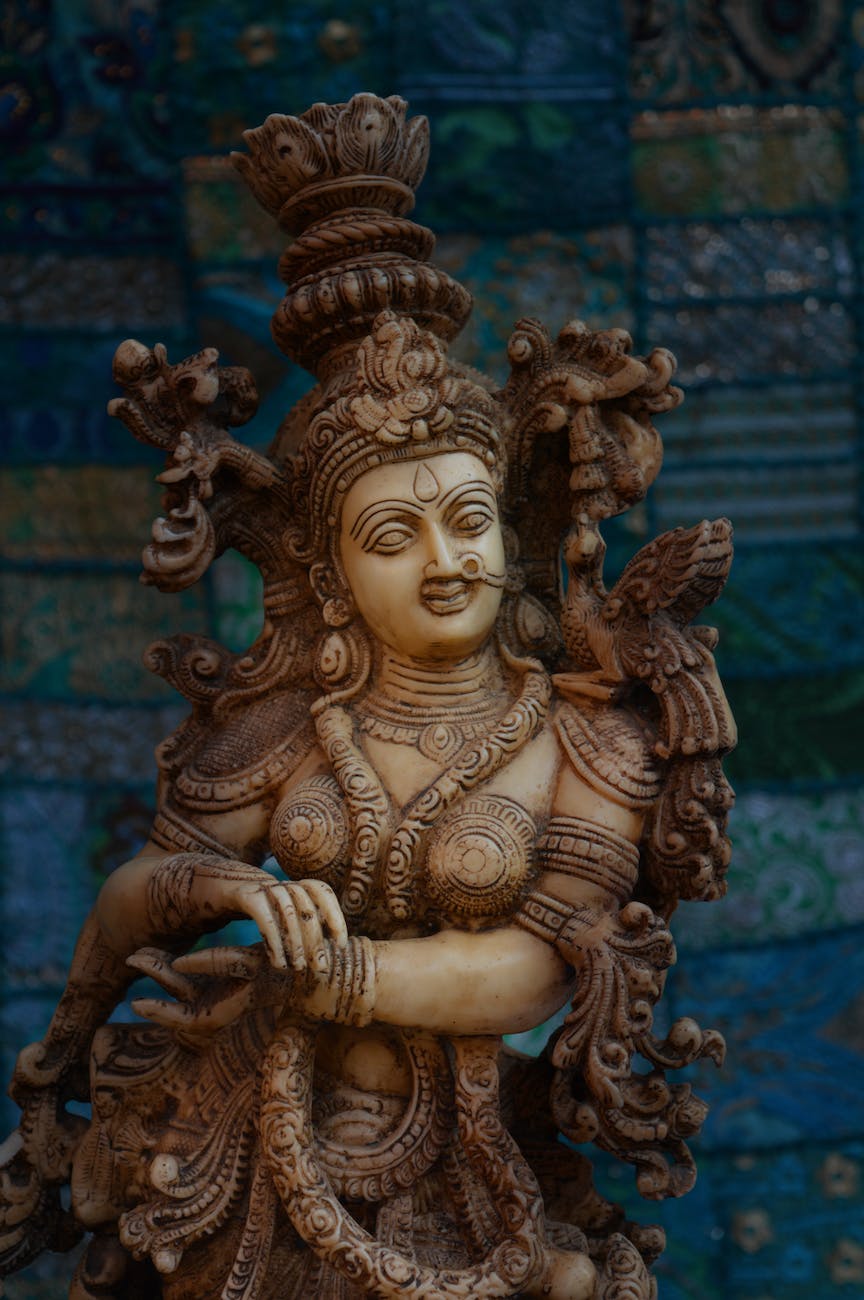
    Photo by Ravi Roshan on Pexels.com
  • Celebrating Krishna Janmashtami: A Festive Reminder of the Birth of Lord Krishna at Sri Prakash International School

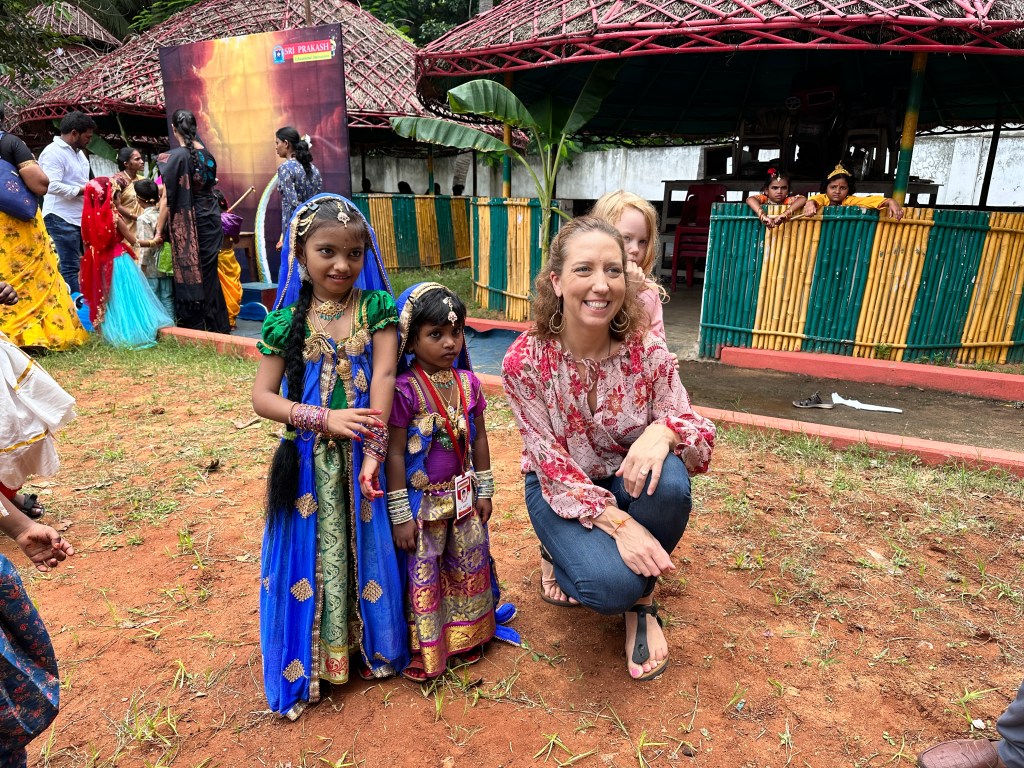
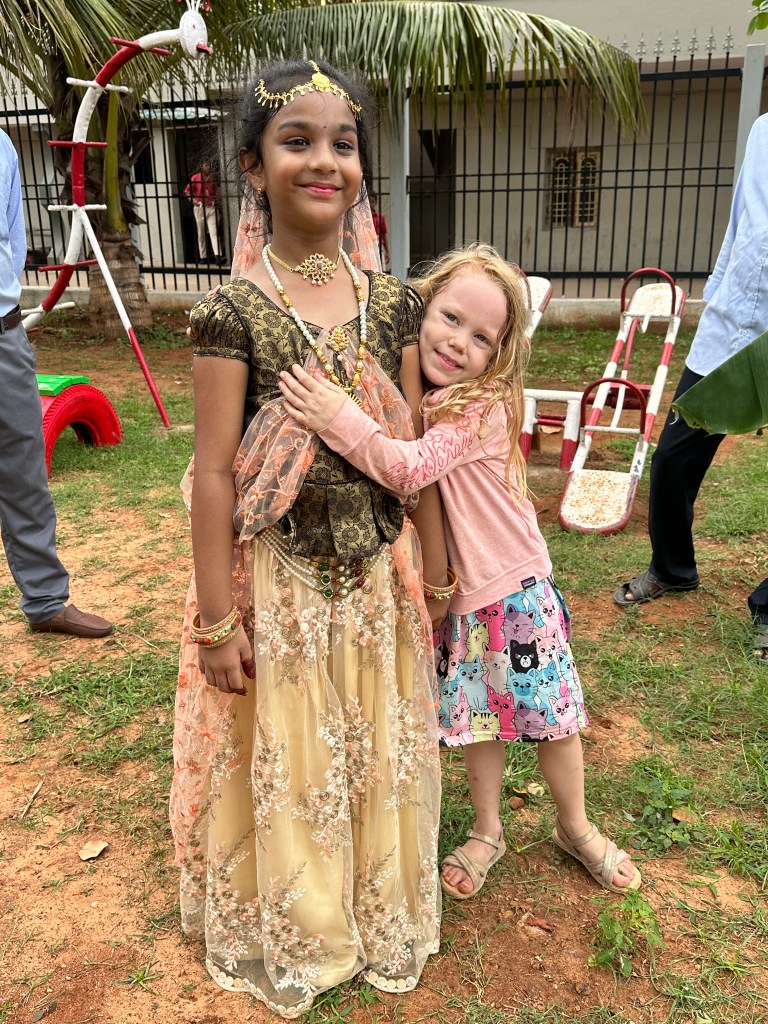
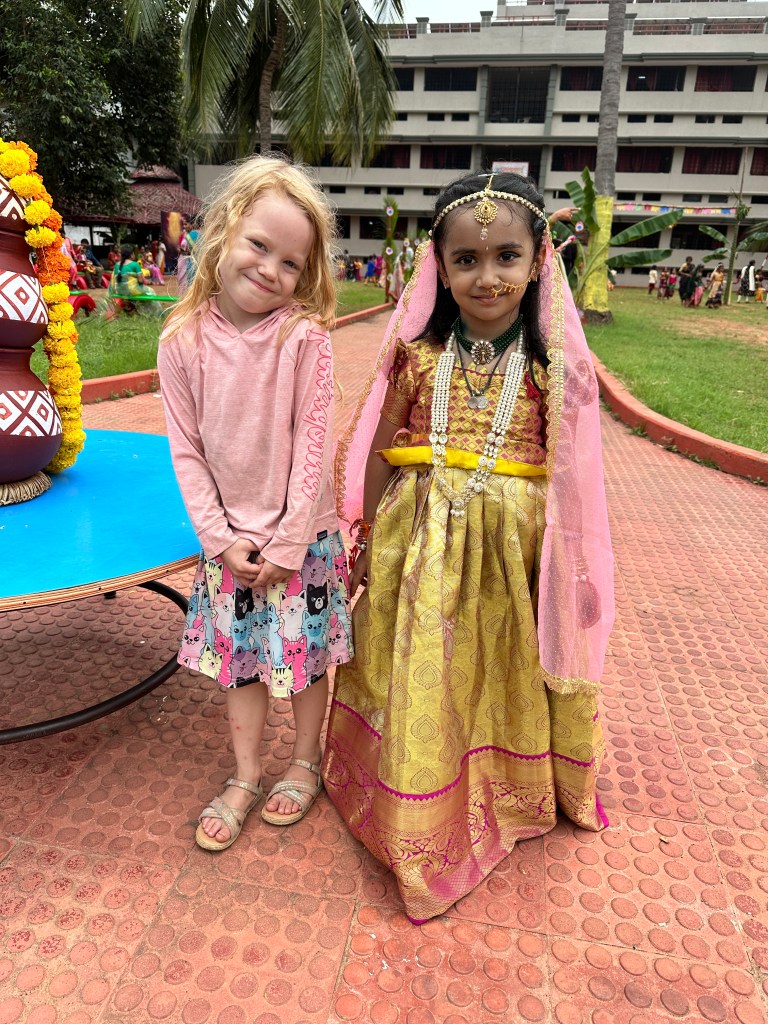
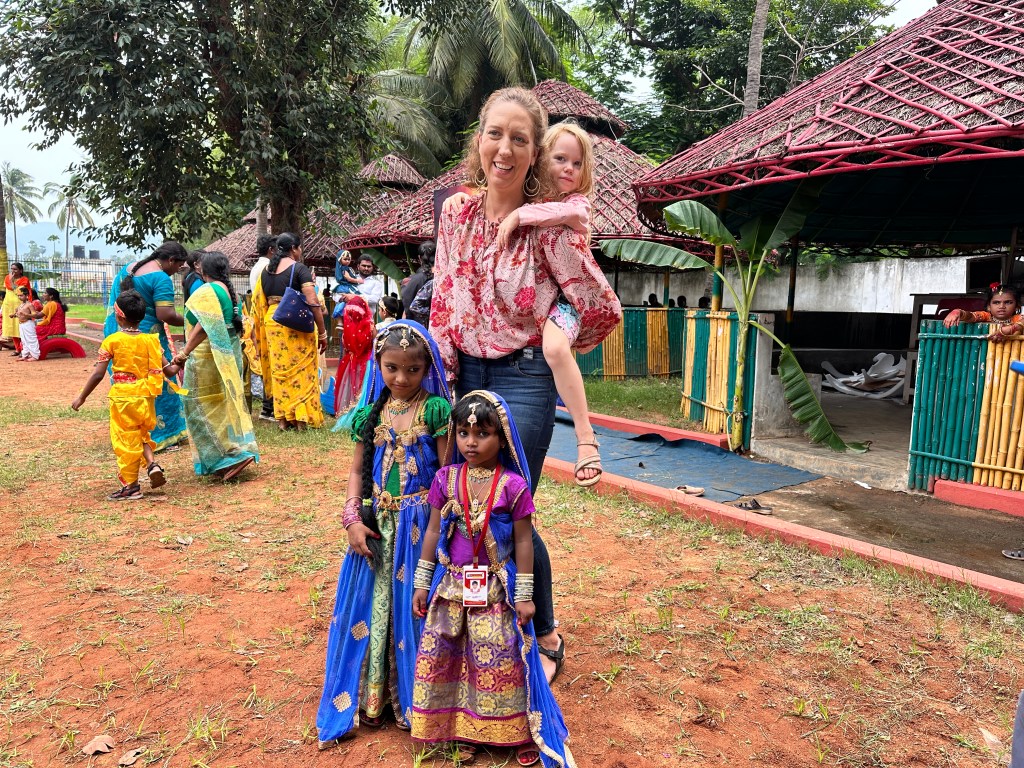
    Krishna Janmashtami, also known as Gokulashtami, is a sacred Hindu festival celebrated annually during August or September. The festival marks the birth of Lord Krishna, one of the most revered and beloved deities in Hinduism. This year, Gokulashtami occurred on September 6th and 7th, and followers across the globe came together to celebrate the occasion with great pomp and grandeur. Again, Amala and I did not know it was happening and someone just came and got us and we went to a festival without dressing up. It was so fun to see the kids dressed up as Krishna and so cute that all of them wanted to become friends with Amala and get their picture taken with her!

    Krishna Janmashtami is celebrated with great enthusiasm by Hindus all over the world. According to the lunar calendar, it is celebrated on the eighth day (Ashtami) of the Krishna Paksha (dark fortnight) in the month of Bhadrapada. Devotees celebrate the day by singing devotional songs, performing aarti, and engaging in various rituals to commemorate Lord Krishna’s birth.

    One of the most popular customs of Janmashtami is the Dahi Handi ritual. This ritual involves forming a human pyramid and breaking an earthen pot containing curd that is tied to a high pole. This activity emulates Lord Krishna’s playful nature as a child, who would often steal butter and curd from the homes of the villagers. Adults and children were there at the Sri Prakash International school celebrating with unabashed enthusiasm.

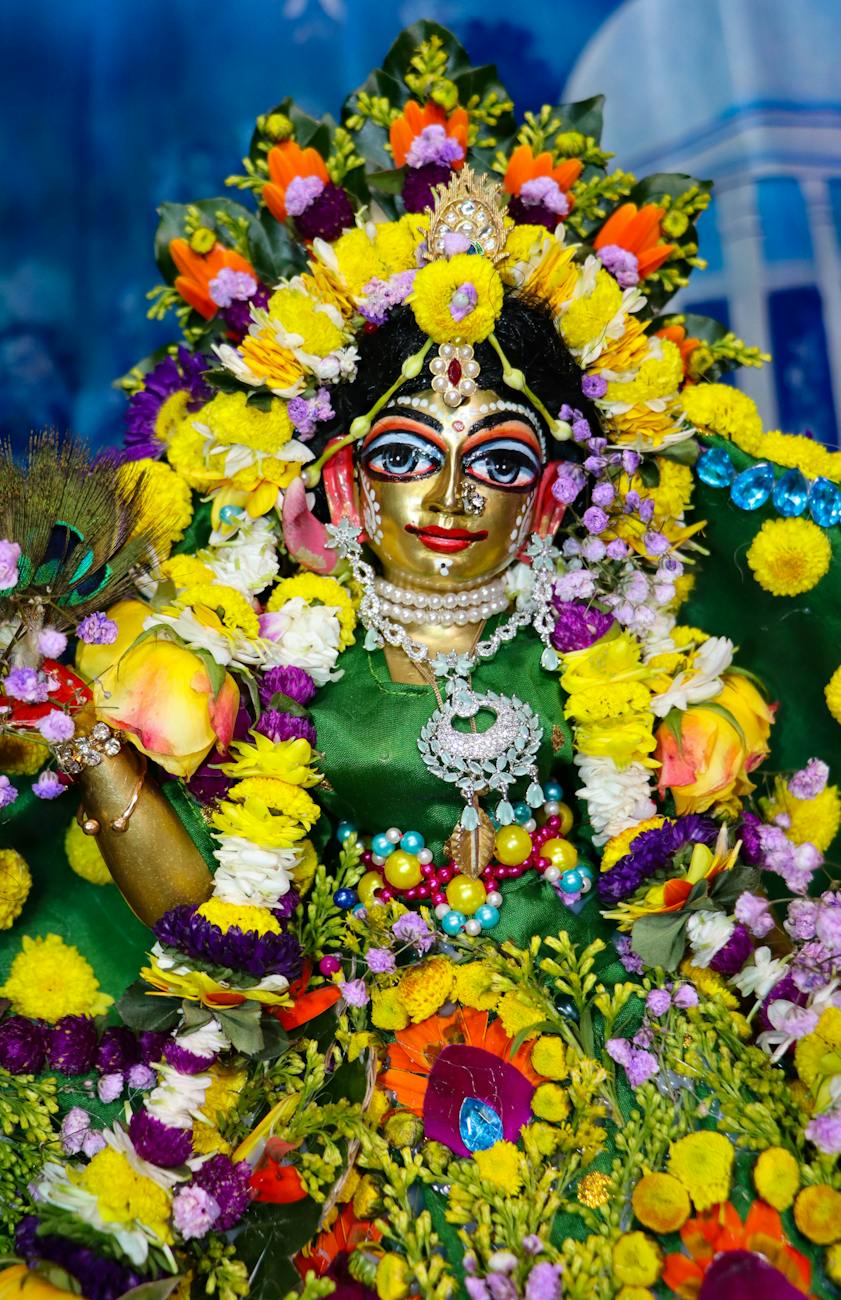
    Another significant aspect of Janmashtami celebrations is the puja (worship) of Lord Krishna. Devotees decorate their homes, temples, and idols of Lord Krishna with flowers, lights, and rangoli. They offer sweets, fruits, and coconuts to the deity and sing his praises in devotional songs called bhajans. They gave me sweets to eat and I was able to play with the children and it was so fun! Some people observe a fast during the day and break it only at midnight, offering prasad to Lord Krishna.

    Photo by Karan Shah on Pexels.com

    In addition to India, Janmashtami is celebrated with equal zeal in countries like Nepal, Bangladesh, and Fiji, where there is a significant Hindu population. In America and the UK, many Hindu communities organize grand celebrations, complete with cultural programs, food stalls, and fireworks.

    Krishna Janmashtami is a celebration of love, devotion, and spiritual awakening. It reminds us of Lord Krishna’s teachings, which emphasize the importance of selfless service, non-violence, and compassion. The festival brings people of different backgrounds and cultures together in a spirit of joy and harmony. As we bask in the radiance of the festival, let us also reflect on the qualities that Lord Krishna embodies and aim to imbibe them in our lives. May the festival of Krishna Janmashtami bring light, happiness, and fulfillment to all!

    Much Love,

    Michelle

  • Onam and Sadya: Celebrating Culture and Tradition in Southern India

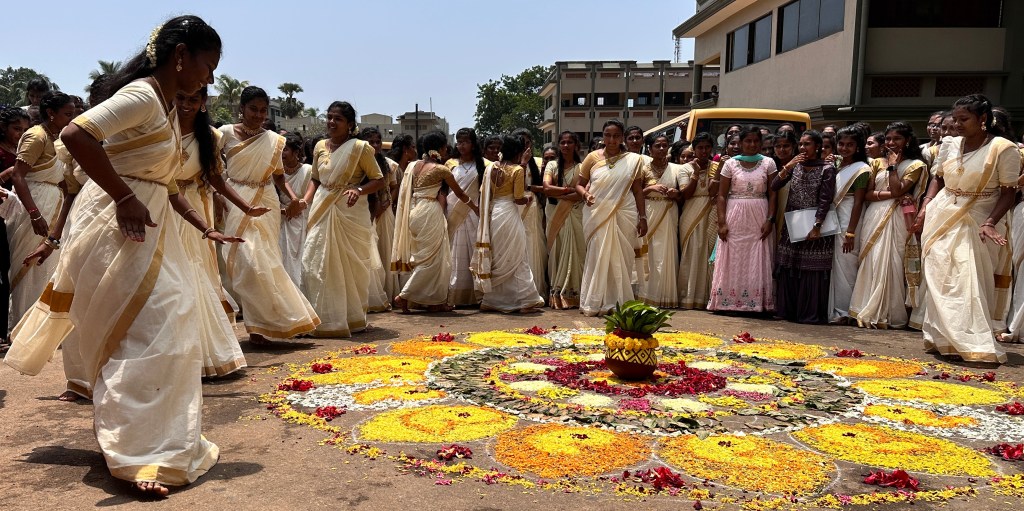
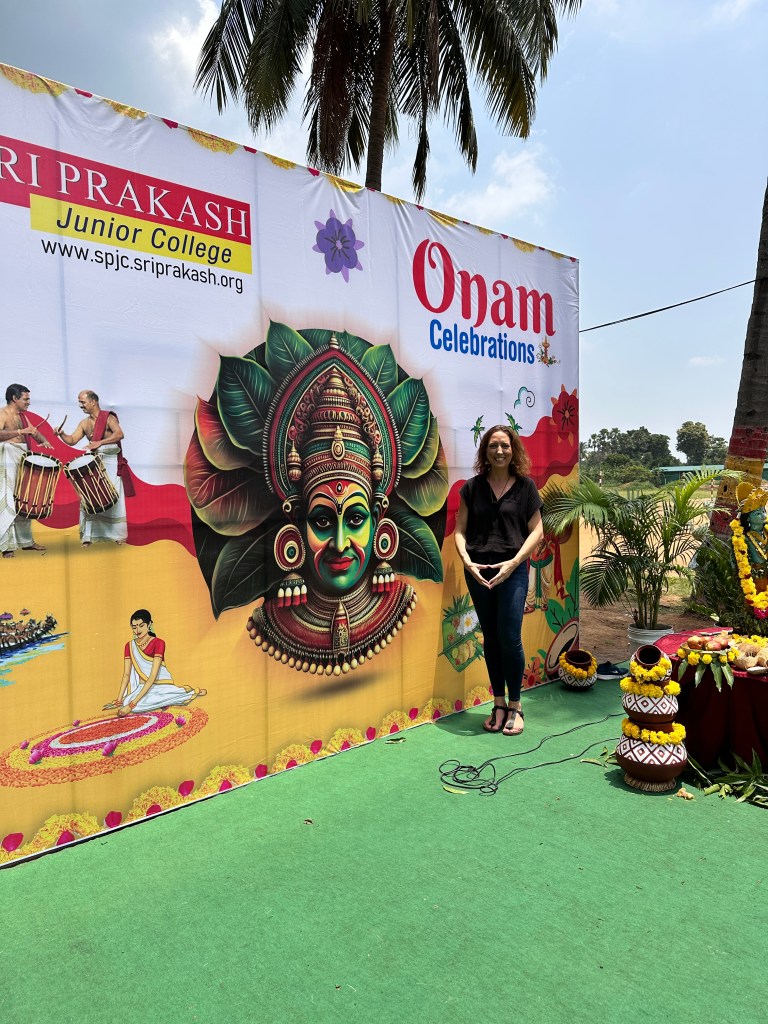
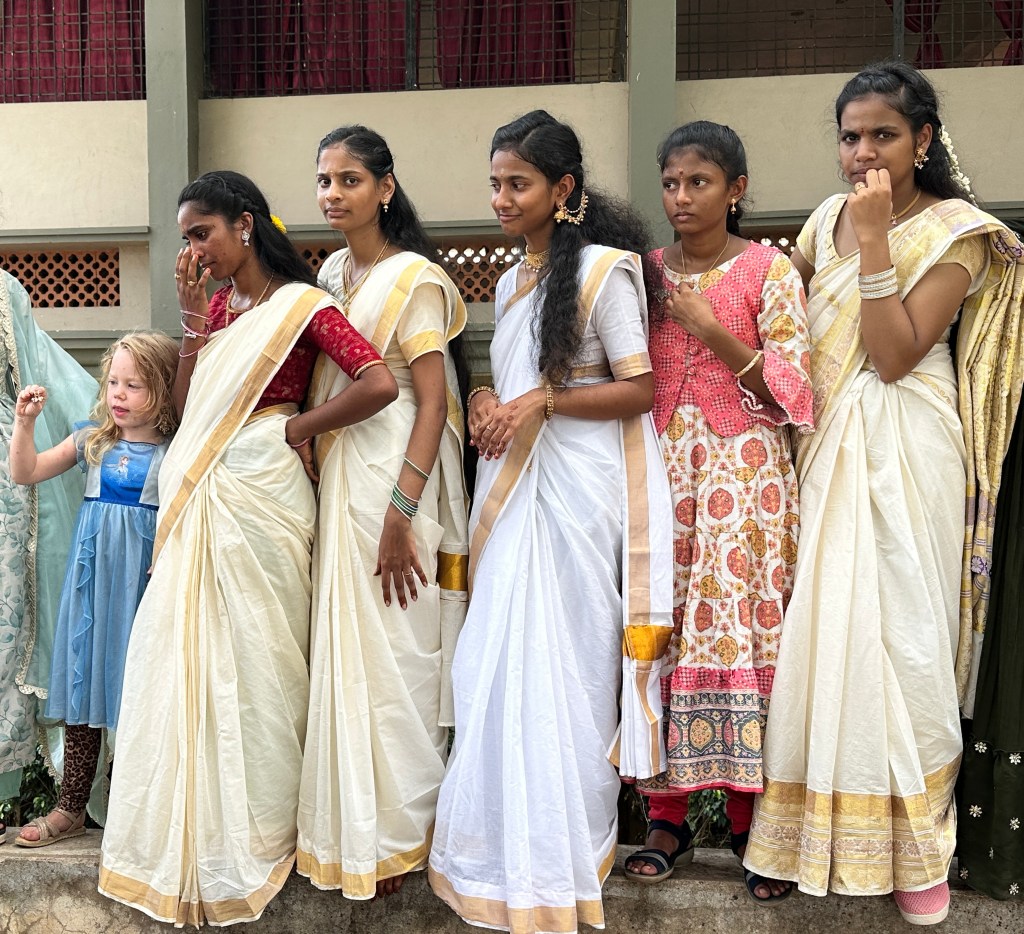
    In the southern state of Kerala, people are celebrating an important festival called Onam. The 10-day-long festival is meant to honor the homecoming of the Asura King Mahabali from the Patal Lok. This event signifies the victorious return of a prominent ruler who once governed Kerala with peace and prosperity. Aside from the vibrant parades and activities lined up, Onam is also celebrated with a popular traditional feast called Sadya. This festival was honored at the end of August this year (I know, Im behind on posting), I have been meaning to dive deeper into both Onam and Sadya, and why they are an essential part of the rich cultural and traditional practices in Southern India. Although, Amala and I were not in Kerala, we did get to celebrate at the Sri Prakash International School and Ayurvedic Hospital in Andhra Pradesh. I didn’t have traditional Kerala dress, and to be honest I didn’t even know I was going to a celebration…. it just happened because it was literally right outside my door.

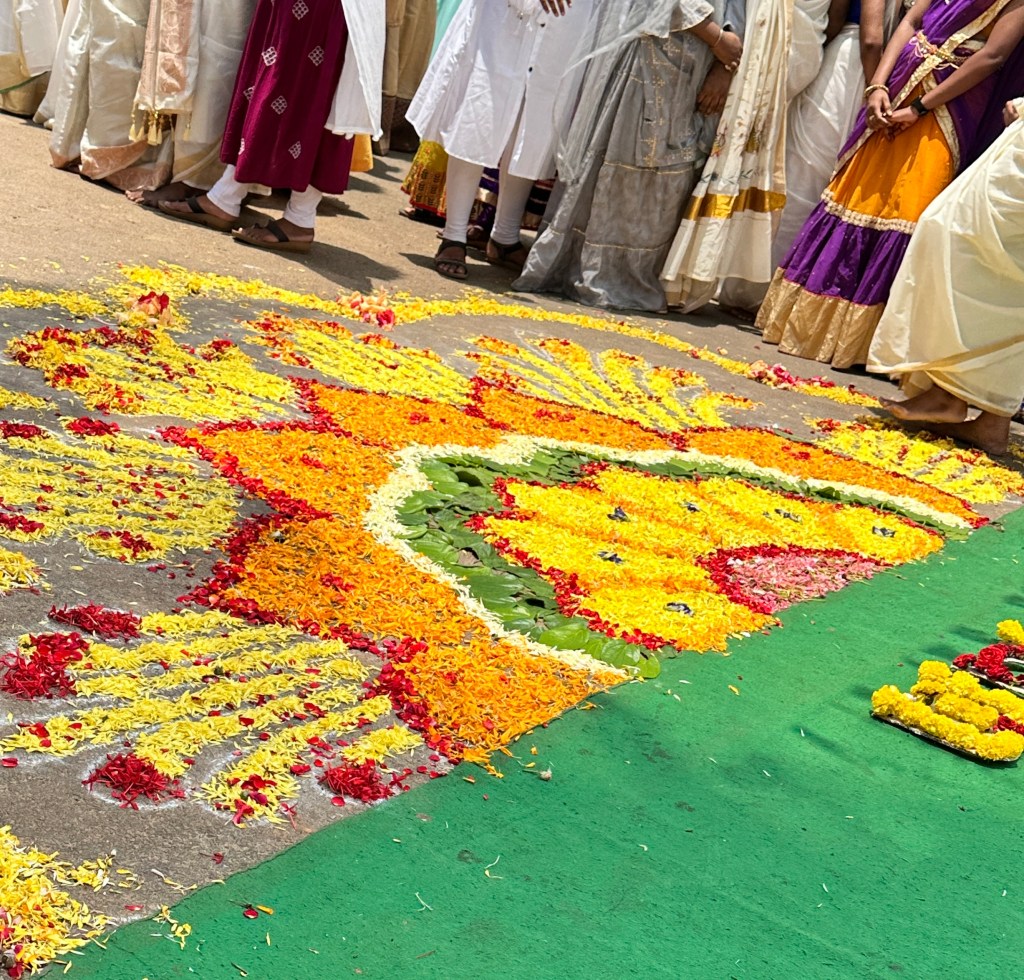
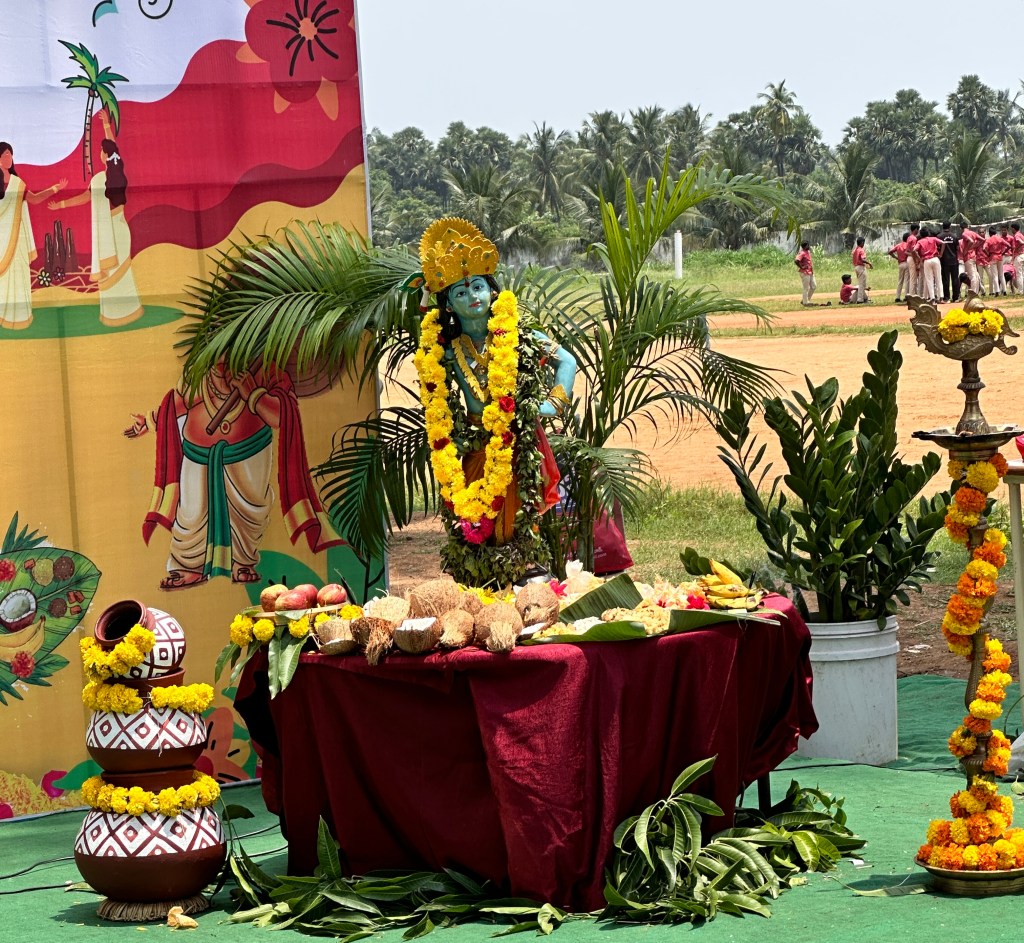
    Onam’s celebration is deeply rooted in Hindu mythology and folklore, and it is considered as one of the major festivals in India. The start of the festival is marked by the Atham day, wherein the people of Kerala begin to decorate their houses with intricate floral designs called pookalam. It’s a grand gesture of welcoming the prosperity and abundance that Onam brings. Throughout the festival, people engage in various activities such as dances, boat races, elephant processions, and traditional sports like Vallamkali and Pulikali. During the celebrations, I had to crack a coconut for an offering to the table below and then they put me in the local newspaper. The final day of the festival is called Thiru Onam, wherein the Sadya feast is served.

    Sadya, which means a grand feast in Malayalam, is inseparable from the Onam festival. This meal is served on a banana leaf and consists of various vegetarian dishes, rice, sambar, rasam, curd, pickles, and papadum. It is prepared with an array of vegetables and spices, which gives it a unique and delicious taste. The Sadya is served by men traditionally and has a specific order to it. It starts with rice served on the banana leaf, followed by parippu (dal), sambar, rasam, and then upperi (banana chips), pappadam, and then payasam (sweet dessert), and more. Every dish has a specific flavor and texture that complements the other dishes served.

    Sadya is a feast that brings communities together in Kerala during the Onam festival. It is not only a celebration of good food but also a celebration of diversity and unity. People from different castes and religions come together and share the meal in a sign of respect and brotherhood. Sadya is a testimony to the rich cultural and traditional practices that are still alive in modern society.

    Onam and Sadya are an integral part of Southern Indian culture and tradition. The festival is a perfect example of how people in Kerala celebrate their heritage and come together to share the joy and happiness of Onam. It is an occasion where people dress in traditional attire, visit relatives and friends, and exchange gifts. Sadya, on the other hand, is a traditional feast that is prepared using ancient recipes passed down through generations. Both of these customs prove that India’s rich cultural and traditional practices are still vibrant, lively, and celebrated to this day.

    Sadly, I didn’t take a picture of the food they gifted me on the banana leaf. It was sweet and delicious….. which was a special treat because the food at Sri Prakash was so spicy!

    Onam and Sadya are cultural practices that have been in existence for centuries in Southern India and Kerala. These customs aren’t just symbols of the region’s tradition, but also acts as a unifying factor among the people. The grand festival of Onam, and the scrumptious Sadya, celebrates abundance, prosperity, and the bond of family and community. In this blogging journey, we have learned more about these practices and their significance in the cultural heritage of Southern India.

  • The Art of Driving in India

    Have you ever felt that driving in your city or country is tough? Do you think you are a crafty driver? Those who have been to India may know that driving here is an art: where honking is necessary, lines on the road are optional, and going the wrong way isn’t a problem. Welcome to my 4 AM encounter with the art of driving in India…..rave music all the way on our hour long drive to the airport.

    As I sit here in a car blasting rave music, with hazard lights on due to the dark and rain, I can’t help but admire the skill and expertise of our driver. The way he navigates through dangerous intersections, passes cars, and honks just to let people know we are present is an art in itself. Timing honks is critical, and our driver has mastered it to the T.

    Driving on a two-lane highway feels like a video game, with no hesitation and swift momentum. Passing between large buses and honking all the way seems to be second nature to the drivers here. Lines on the road may exist, but they are optional to use. Going the wrong way is not a problem; just honk and move forward.

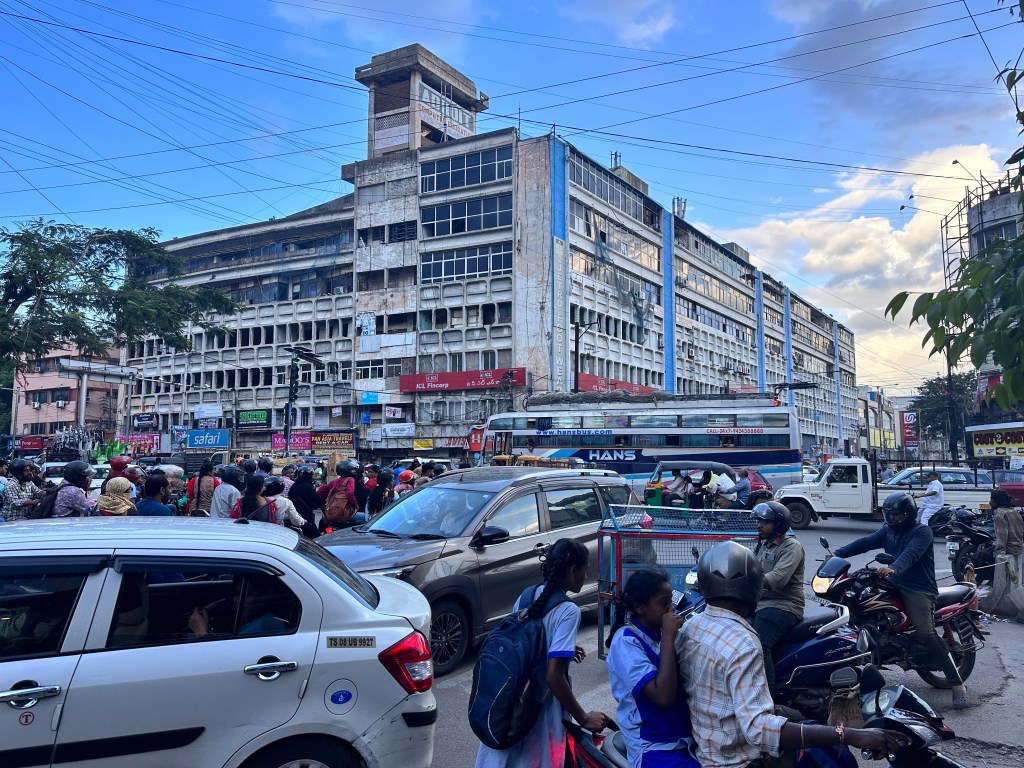
    You might be wondering if it’s chaos on the roads. It might seem like it, but the art of driving in India goes beyond chaos. It’s an experience that makes you feel alive. With the thrill of driving amid the rugged terrain, whole families riding on one motorcycle, and no headlights on non-motorized vehicles, it’s a sight that’s hard to miss. It’s a fast and furious encounter that would leave any travel junkie wanting more.

    Driving on Indian roads requires utmost attention, skills, and expertise. Not everyone can master it. The diversity in driving styles, the constant movement, and the honking sounds can be overwhelming. But once you get the hang of it, you will realize that it’s a beautiful art that everyone needs to experience.

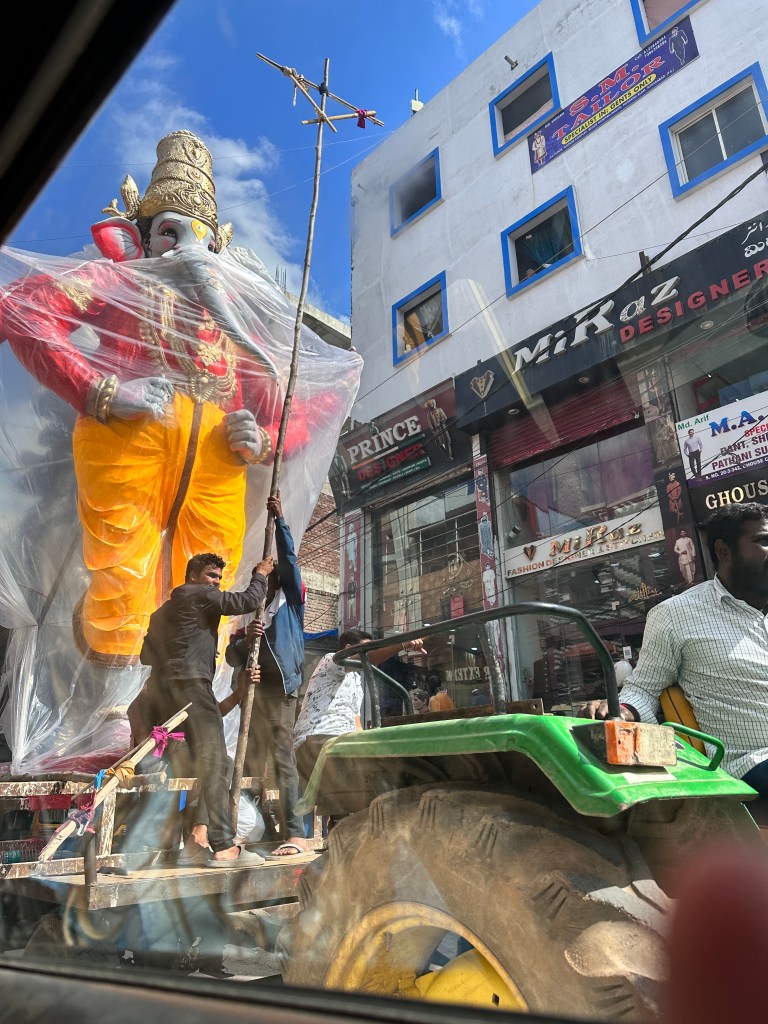
    No big deal….. just a giant Ganesha headed down the road during rush hour….

    Each time I step out of a car or rickshaw or off a motorbike, I can’t help but feel grateful for my feet being on the ground. Each encounter is fast and furious. The experience has familiarized me with the culture and lifestyle of the people. Honking is not just a necessity here; it’s a way to communicate and express oneself on the road. The art of driving in India is not just skillful; it’s awe-inspiring, making it a bucket list item for any travel enthusiast.

    With Love,

    Michelle

  • Ayurvedic Hospital in Andhra Pradesh: Experience at Sri Prakash Vidya

    It has been two weeks since we arrived in India at an Ayurvedic hospital named Sri Prakash Vidya. Our journey began when we moved out of our house in May spent time in Seattle and Los Angeles and then flew for 26 hours to reach Visakhapatnam airport. Dr. Sugesh Kumar PV picked us up from there and drove us to Payakaraopeta where the hospital is located. Although it has been a tiring journey, our experience here has been remarkable. We are excited to share our experience with you!

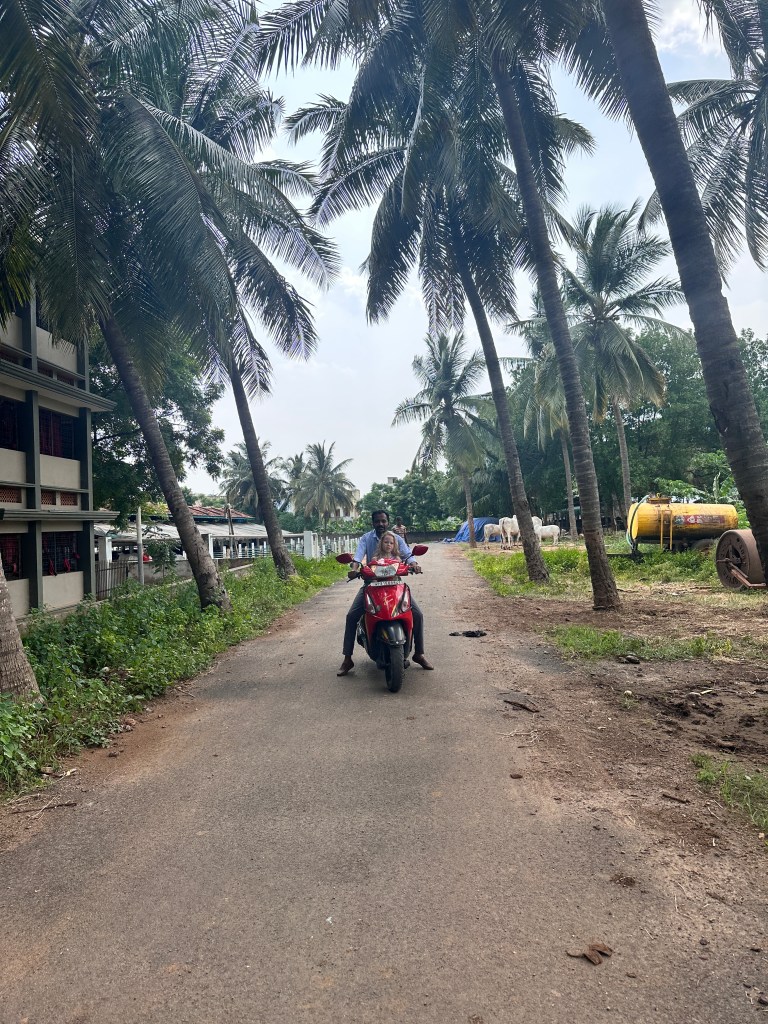
    Amala loves riding the little scooters!

    The hospital is located in the state of Andhra Pradesh, where Tengalu is the main language spoken. We were fascinated to learn about the self-sustaining practices used here. Sri Prakash Vidya grows all kinds of fruits and vegetables on the school campus, which are used to feed the children. Grass is grown for the cows, which in turn give milk and lassi to the children and staff. Grains are ground and used to make chapatis and bread. The food here is a bit spicy, I think thats just how it is in India, Amala doesn’t love it, she is ready for pizza even though they bring us plenty of fruit and snacks for her. Coconut chutney is served frequently, and I cannot get enough of it!

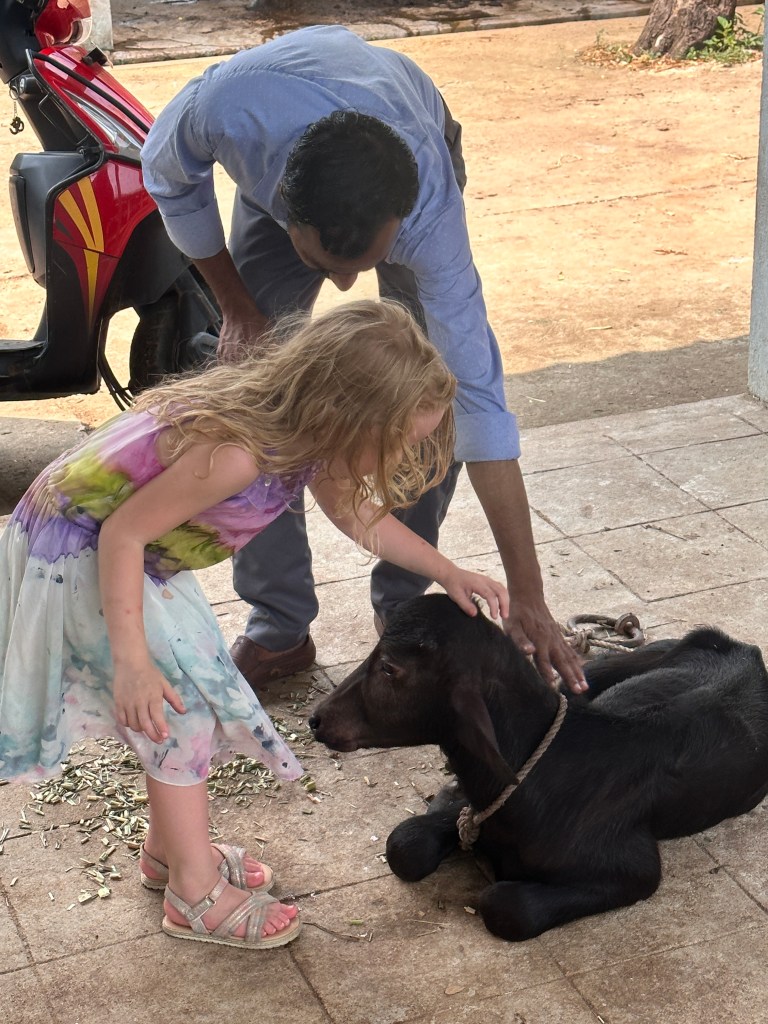
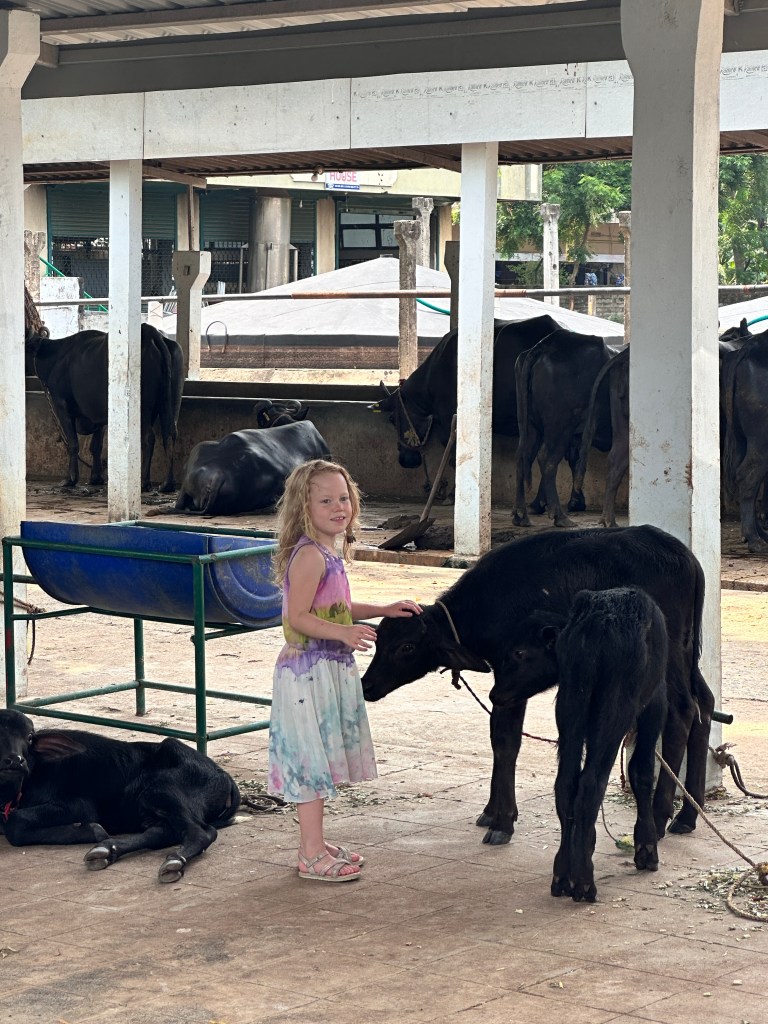
    Amala with baby buffalo

    It is interesting to note that everything is a cycle here. Cow and buffalo dung is used as fertilizers for gardens and as biofuel to power the school. The children are curious and friendly. We learned that not many foreigners come to this particular Ayurvedic hospital, even though it is considered the best in Andhra Pradesh, along with many other things. People generally prefer to visit Kerala, which is the birthplace of Ayurveda for treatments.

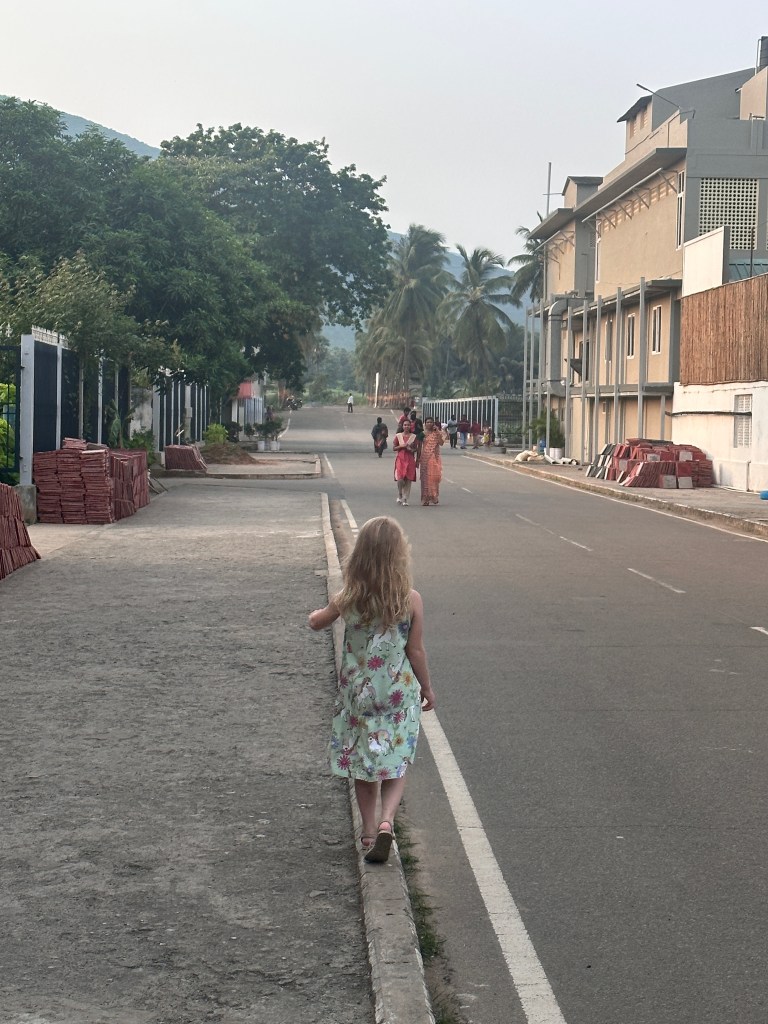
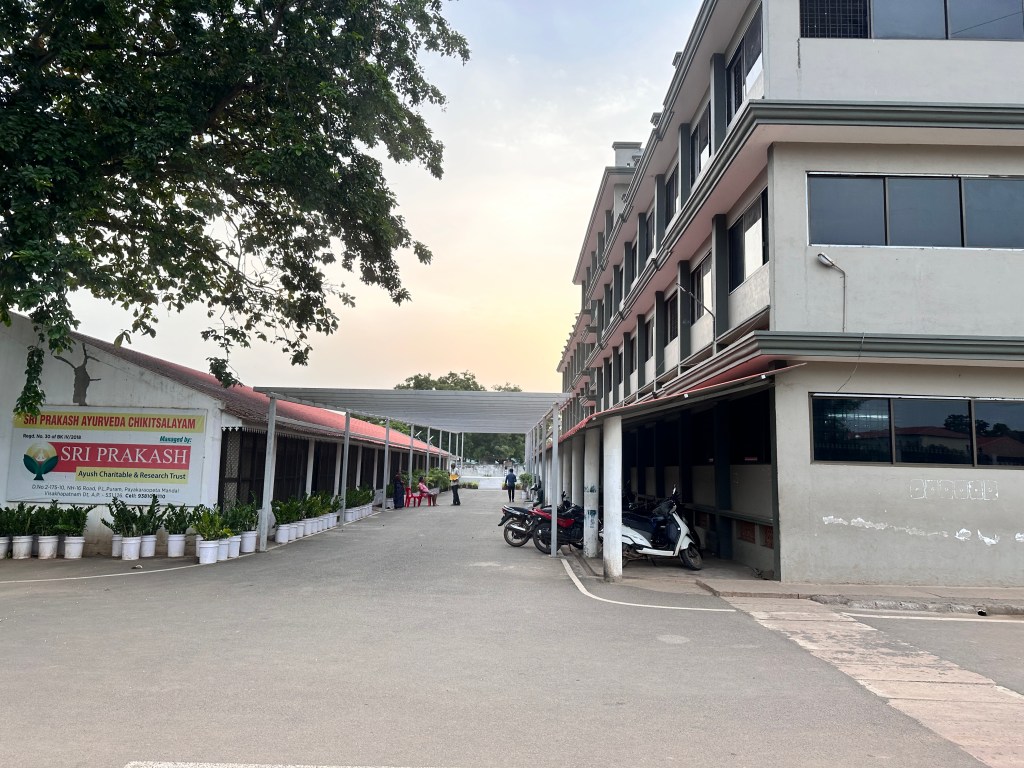
    Our accommodations are on the left in the picture and one of the schools many buildings is on the right.

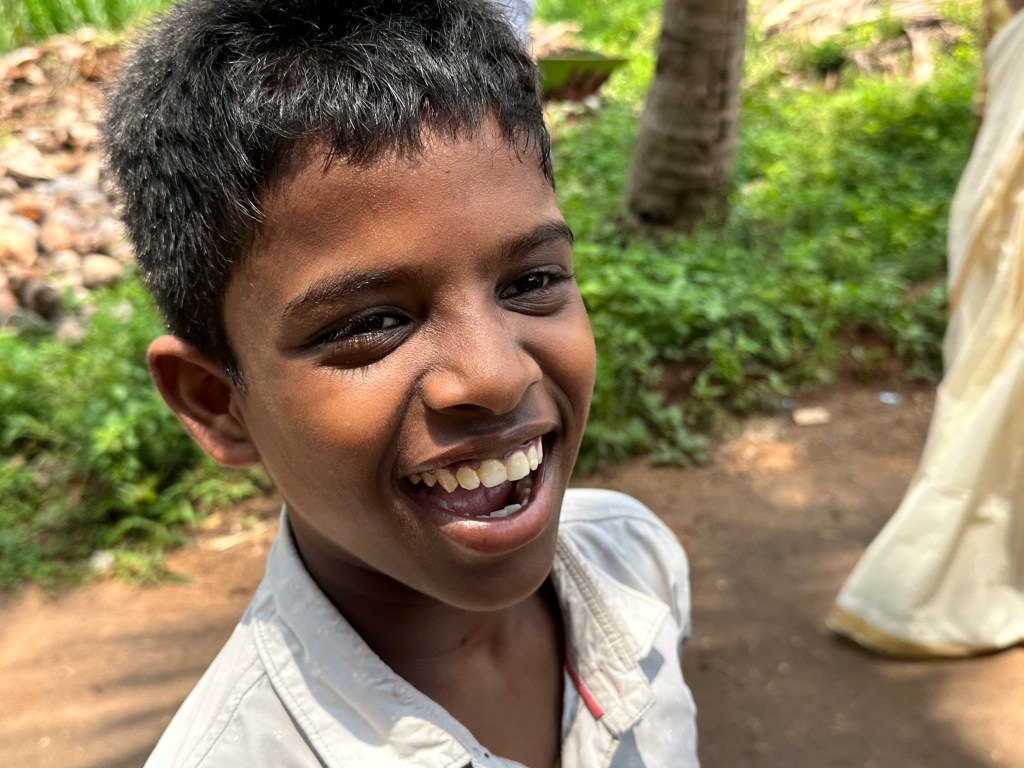
    While we have been here, we have been treated to three meals a day, along with lassi in between meals and warm milk at night. All the meals are prepared with fresh ingredients and served in our room by a young twelve year old boy who likes to have fun playing with and teasing Amala. We have clean water available all the time, as the water here is filtered. We are staying in one of the VIP rooms and our room and food for the two of us is only $15/night. Incredible for the service and love we are receiving here. I was even surprised to find myself coffee-free since I arrived here, but I am enjoying my afternoon chai.

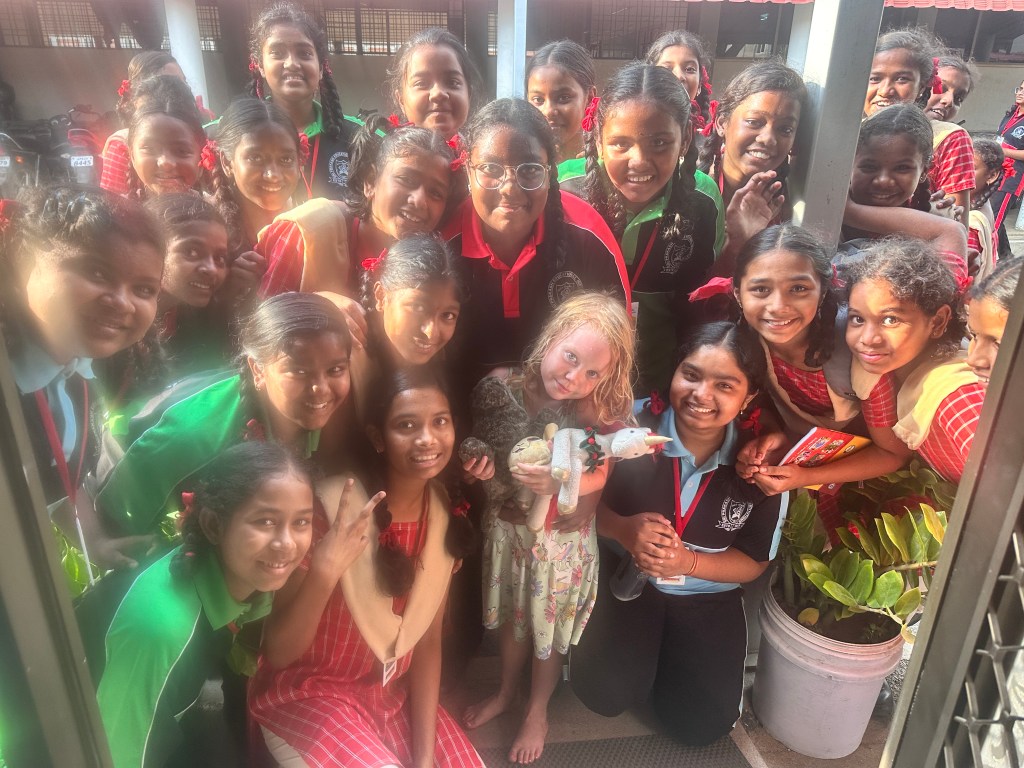
    Amala with the Schoolchildren who come to our door everyday.

    Lastly, I have been able to sit in with the doctor and watch him treat patients. It’s been fun to be immersed with Ayurveda and the Indian head wobble during conversations always makes me laugh (on the inside of course). I have also been receiving treatments every morning which have been personalized for my specific health needs and concerns. Sometimes it tickles, I will share those experiences in another blog post. Everyone at the hospital has been wonderful, and we have not felt this taken care of in a long time.

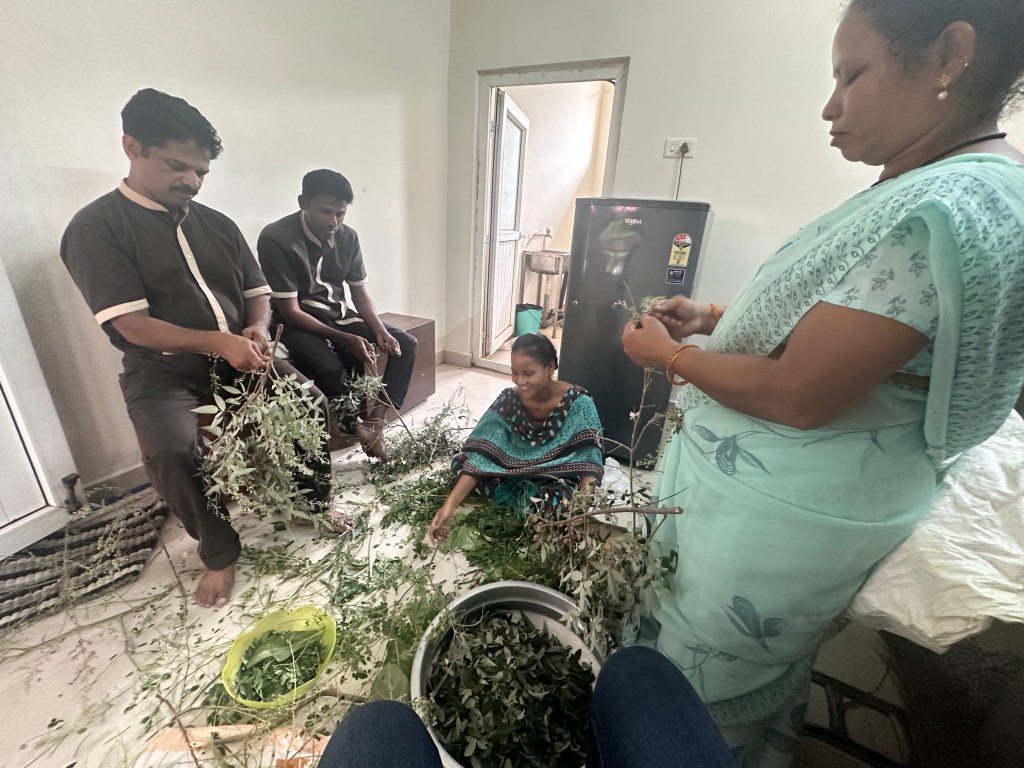
    Making Ayurvedic Medicines

    Our experience here at the Ayurvedic hospital in Andhra Pradesh has been surreal. From learning about sustainable practices to experiencing personalized treatments, it’s been a journey of discovery. The children, staff, and everyone we’ve met has been wonderful. Overall, we are glad that we got a chance to experience this and are looking forward to sharing more with you!

    Love,

    Michelle & Amala
  • Tips and Tricks for a Stress-Free Trip with Kids
    Traveling with kids can be quite a challenge, especially when it comes to air travel. Packing, managing kids’ needs, and making sure they are happy and safe throughout the journey can seem overwhelming. However, with careful planning and a few tips and tricks, you can make air travel with kids stress-free and enjoyable for everyone.

    Schedule takeoff and departure times wisely: When booking your flights, make sure to choose takeoff and departure times that fit well with your kids’ daily routines and sleep schedules. If possible, try to schedule flights either during their nap time or bedtime. This way, they are more likely to sleep through most of the flight and wake up refreshed when you reach your destination.

    Opt for longer connections: While it may be tempting to choose the shortest possible layover time, it’s best to opt for a longer connection when flying with kids. This way, you have enough time to relax, settle in, and let your kids stretch their legs before the next flight. Also, in case of any flight delays or cancellations, you have a buffer time to avoid any stress or rush.

    Take advantage of early boarding: Most airlines allow families with young kids to board early. Take advantage of this opportunity to get settled in and comfortable before the flight takes off. However, if your kids do better with a few extra minutes of running around the terminal, you may want to wait to board last.

    Pack plenty of snacks: It’s no secret that kids love snacks, and air travel is no exception. Pack a bag (or multiple bags) of their favorite snacks and keep it easily accessible during the flight. This way, you can keep them occupied and happy for hours. However, make sure the snacks are not too sugary or messy, to avoid any discomfort or inconvenience.

    Bring entertainment: Long flights can be boring for kids, so bring along plenty of entertainment options to keep them busy. Books, coloring books, electronic gadgets, and even simple card games can be great options. However, make sure the entertainment is age-appropriate and not too loud or disruptive for other passengers.

    And, you don’t need a fancy tablet to stave off boredom. Use this time to think outside the box and get crafty with your kids. Create game sheets, draw pictures, or tell stories to pass the time.

    Before your flight: consider visiting a dollar store to stock up on some exciting new trinkets for your kids. Wrapping them up individually or unveiling them one at a time during the flight can add to the fun. Giving your child something new and exciting to play with can distract them from any discomfort or anxiety associated with flying.

    Pack a full change of clothes: This way, you’ll be prepared for any mid-air emergencies. Also, consider packing a few snacks and water bottles to hold over your little ones until mealtime.

    The more often your kids fly, the more comfortable and less anxious they will become during air travel: Start flying with them as early as possible to get them used to the experience. When traveling with children, it’s essential to set expectations ahead of time. Discuss proper plane etiquette well before takeoff, and remind them once on the plane. This will help alleviate any potential conflicts and ensure a stress-free flight.

    Air travel with kids can be fun and amazing, even when they are tired and don’t want to carry their things and the drama surfaces. With careful planning, a few essentials, and a relaxed attitude, you can make the journey as enjoyable as the destination. I hope these tips and tricks help you and your family to have a smooth and stress-free flying experience.

    Happy travels!

    Love,

    Michelle & Amala